Quick Navigation
- Landscape & Geography
- History & Heritage
- Wildlife
- Accessibility & Travel
- Culture & Atmosphere
- Food & Drink
- When to Visit
- Comparison Table: Orkney vs. Shetland
- Frequently Asked Questions (FAQ)
- Which is better, Orkney or Shetland?
- Can you visit both Orkney and Shetland on one trip?
- Is Orkney or Shetland windier?
- Which has better beaches?
- Is it easier to find accommodation in Orkney or Shetland?
- Conclusion: Your Ideal Northern Isle
- Sources & further reading
Choosing between Scotland's stunning Northern Isles? Both Orkney and Shetland offer unique landscapes, rich history, and incredible wildlife, but they have distinct characters. This guide compares Orkney vs. Shetland to help you decide which archipelago best suits your travel style.
Landscape & Geography
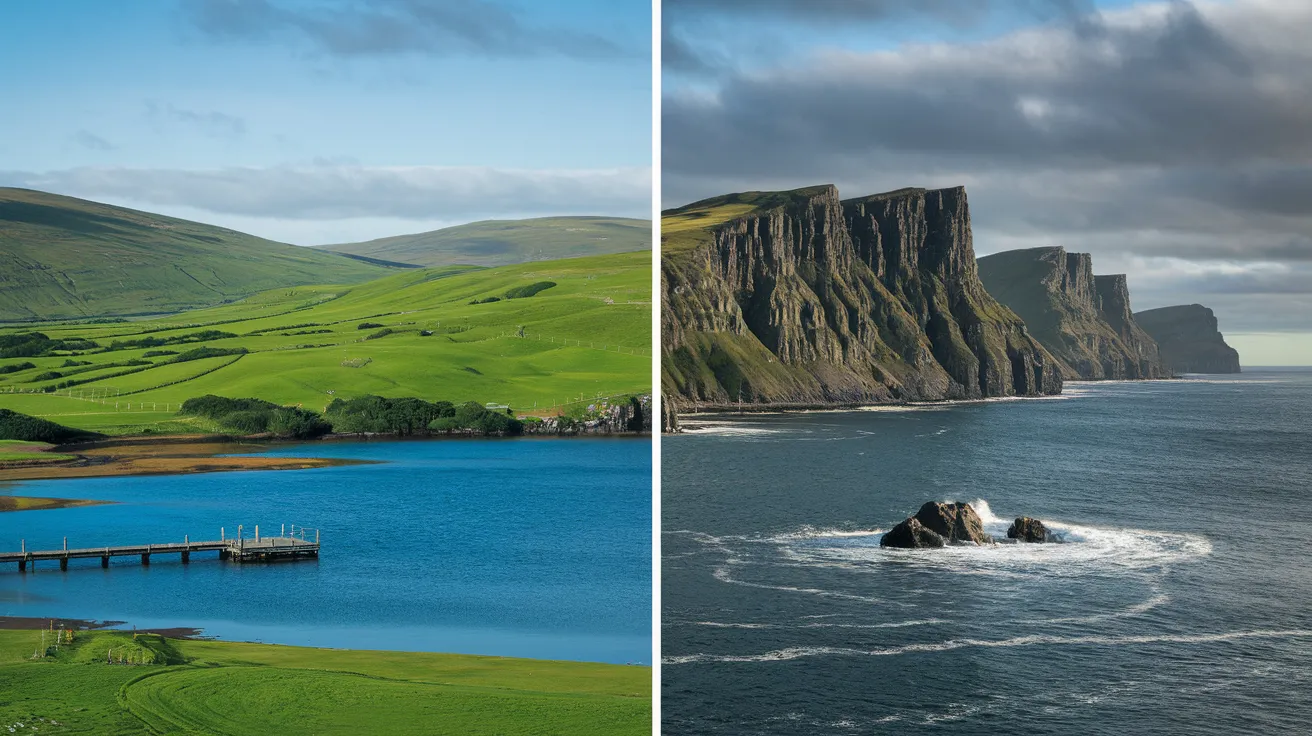
- Orkney: An archipelago of around 70 islands, of which roughly 20 are inhabited — but the headline figure is misleading. Most visitors only ever set foot on the Mainland and a couple of the South Isles (linked by causeways), which together cover an area you can drive across in well under two hours. It's greener, more fertile and less rugged than Shetland, with rolling farmland, dramatic west-coast sea cliffs (notably on Hoy), and the natural harbour of Scapa Flow at its heart. The comparison table below has the actual square-mileage numbers and a population side-by-side.
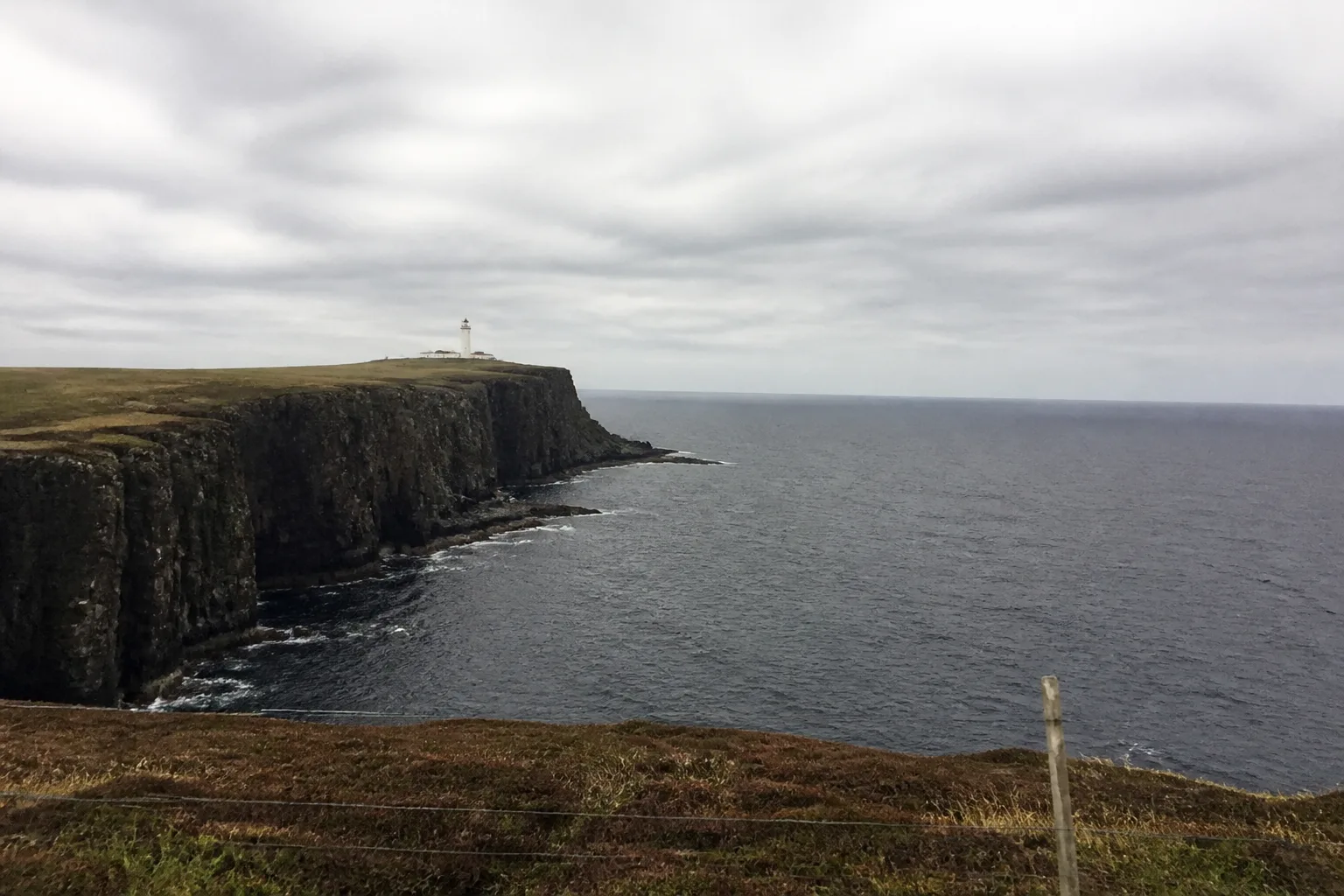
- Shetland: More rugged, treeless, and wild, with intricate coastlines (voes), dramatic cliffs throughout, and a more remote feel. Comprises more numerous, scattered islands.
History & Heritage
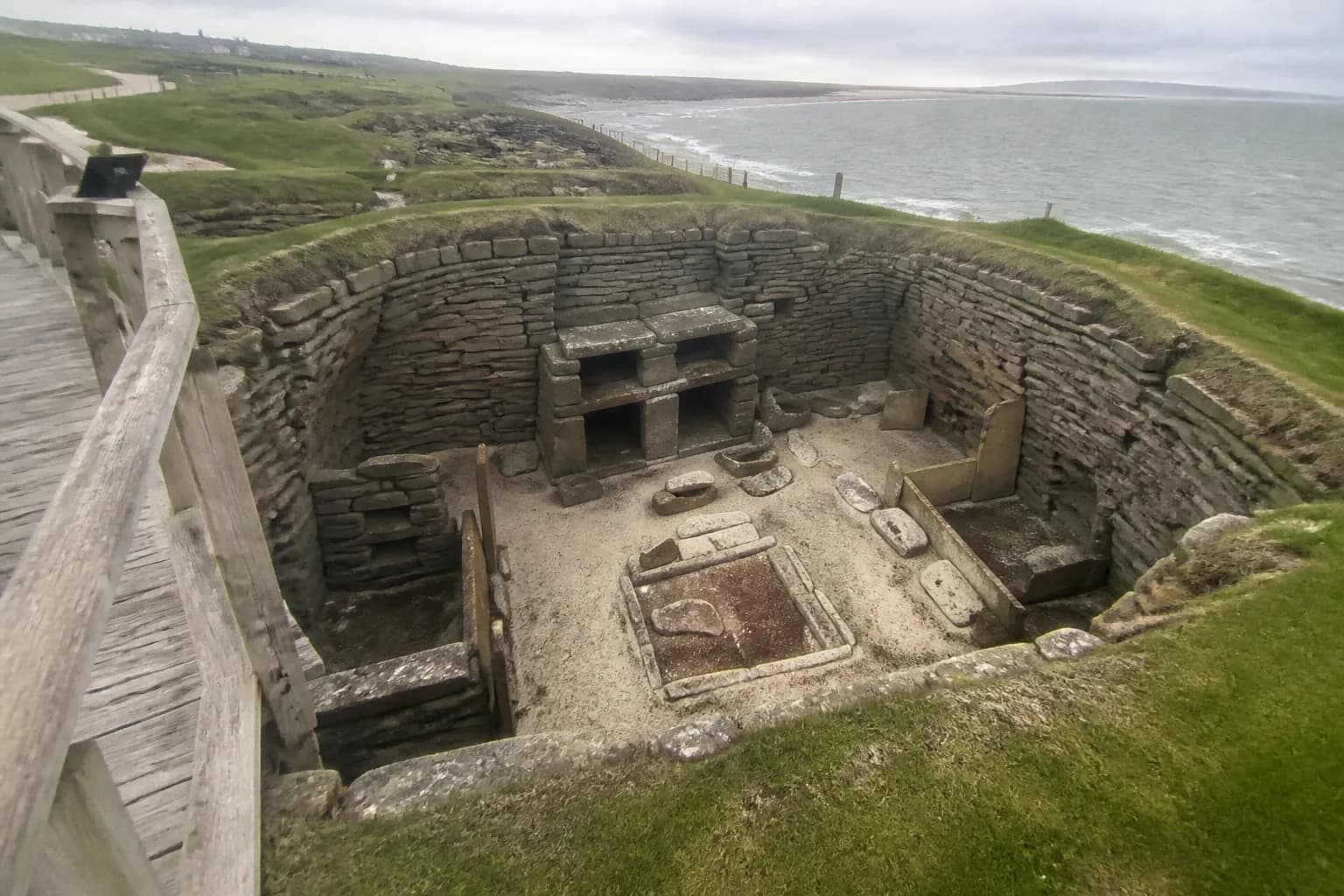
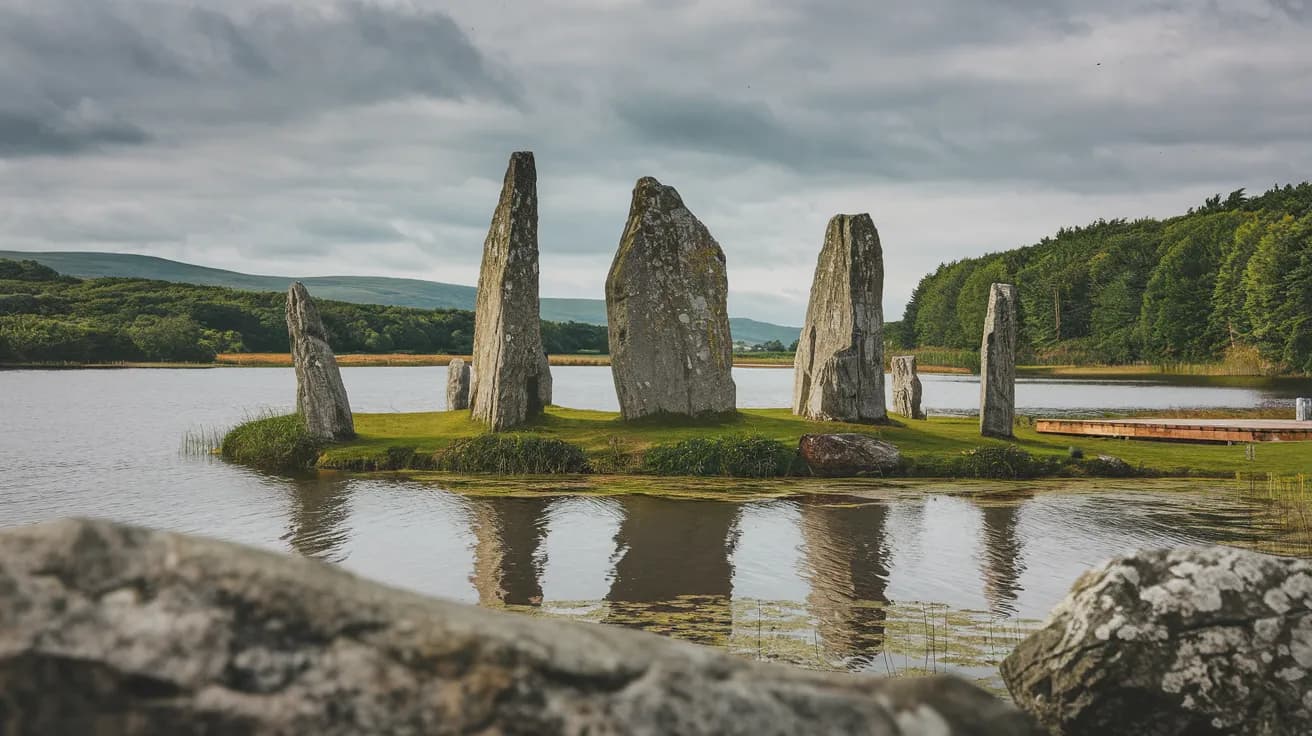
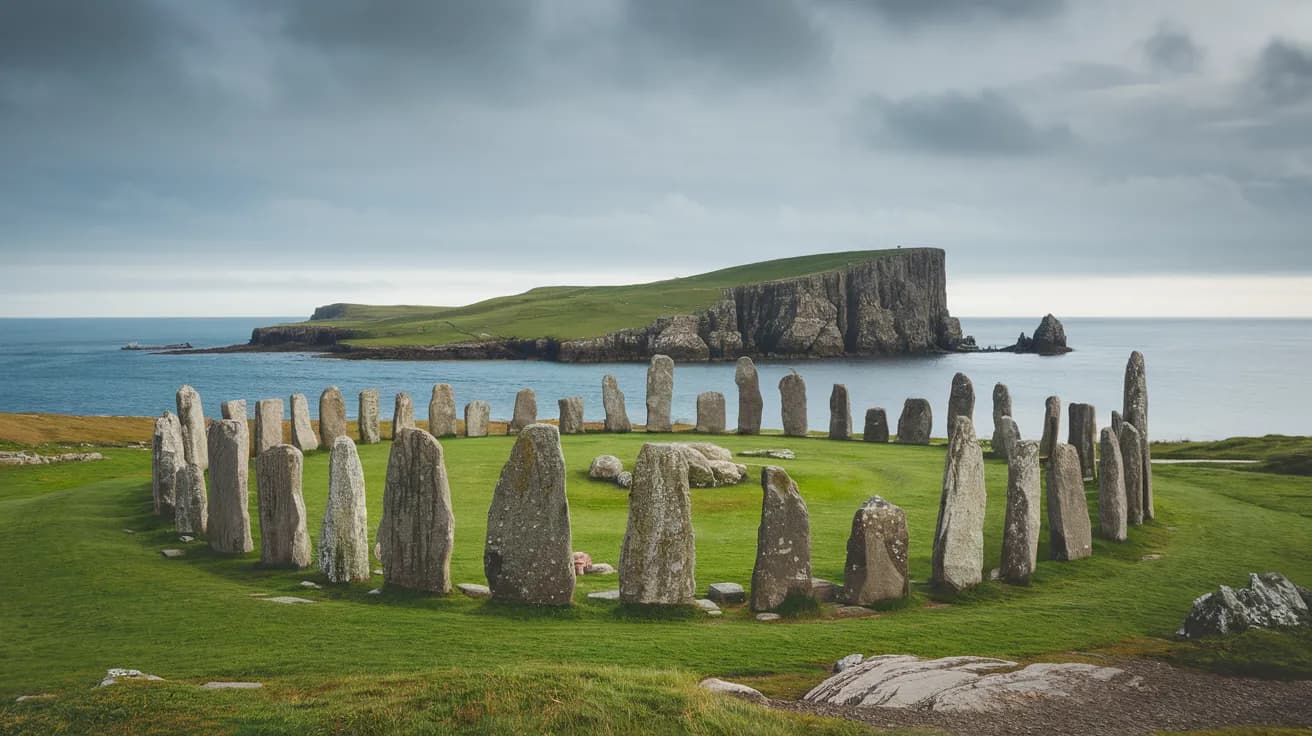
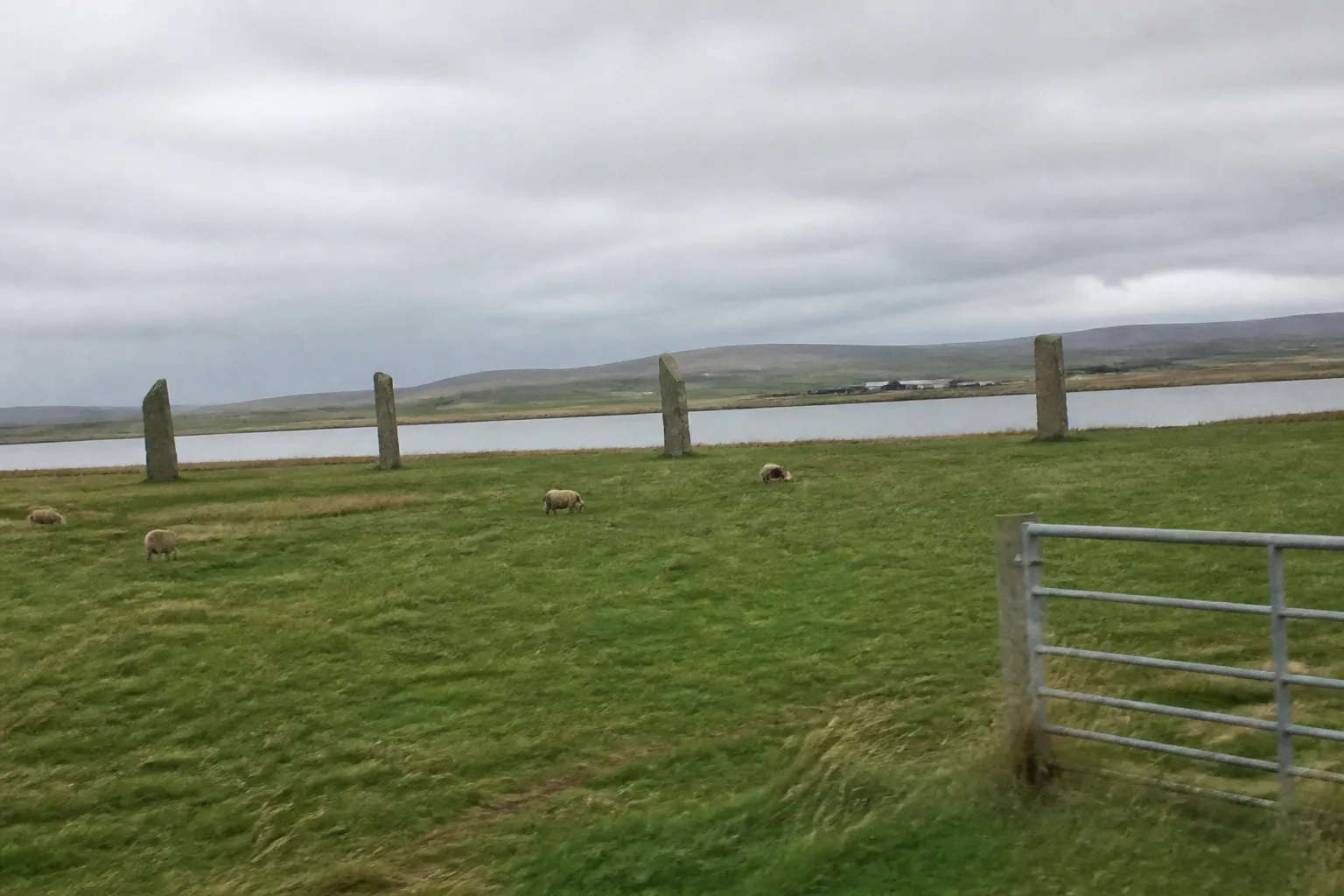
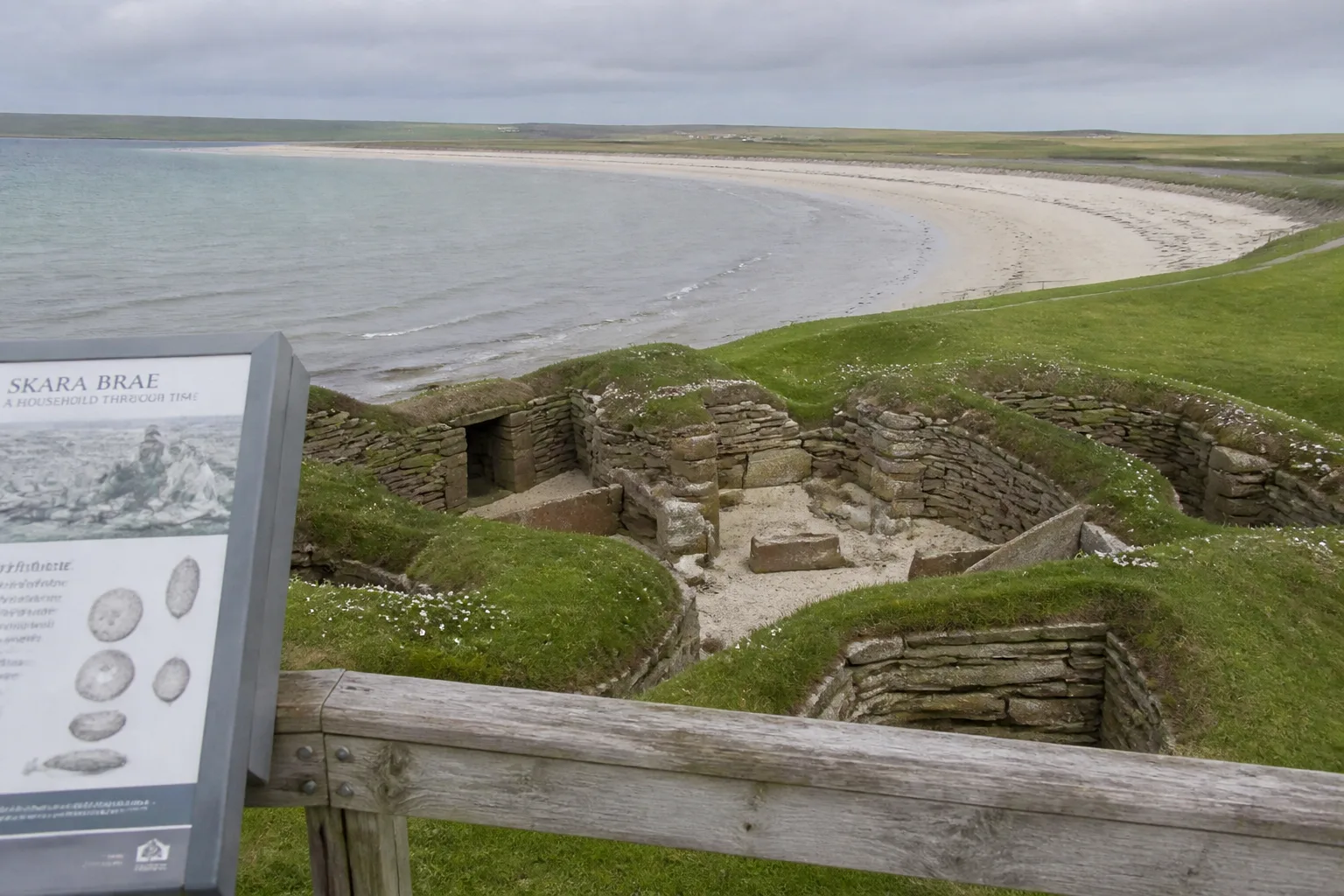
- Orkney — a concentrated Neolithic masterpiece. This is Orkney's trump card: the Heart of Neolithic Orkney UNESCO World Heritage Site, inscribed in 1999, bundles four monuments within a few miles of each other — the village of Skara Brae (occupied around 3180–2500 BC, older than both Stonehenge and the Egyptian pyramids, with stone beds and dressers still in place), the chambered tomb of Maeshowe (whose passage catches the midwinter sunset and whose walls carry 12th-century Viking runes), the Standing Stones of Stenness, and the great Ring of Brodgar, some 130m across. The nearby Ness of Brodgar dig — one of Europe's most important Neolithic excavations — was backfilled in 2024 after two decades of work. Add the WWII history of Scapa Flow and Orkney is hard to beat for accessible, world-class heritage.
- Shetland — brochs and deep Norse layering. Shetland's story is Iron Age and Viking rather than Neolithic. Mousa Broch is the tallest surviving broch anywhere, still standing about 13m after 2,000 years; Jarlshof at Sumburgh is an extraordinary site with over 4,000 years of occupation in one place — Bronze Age houses, an Iron Age broch, a Pictish phase, Norse longhouses and a 16th-century laird's house. These sites (with Old Scatness) sit on UNESCO's tentative list rather than being formally inscribed, and they're more spread out — part of Shetland's wilder, work-for-it appeal.
Planning your trip
Staying overnight? Compare live prices and availability across Orkney on Booking.com.
Compare Orkney staysWe earn a small commission if you book through this link, at no extra cost to you.
Wildlife
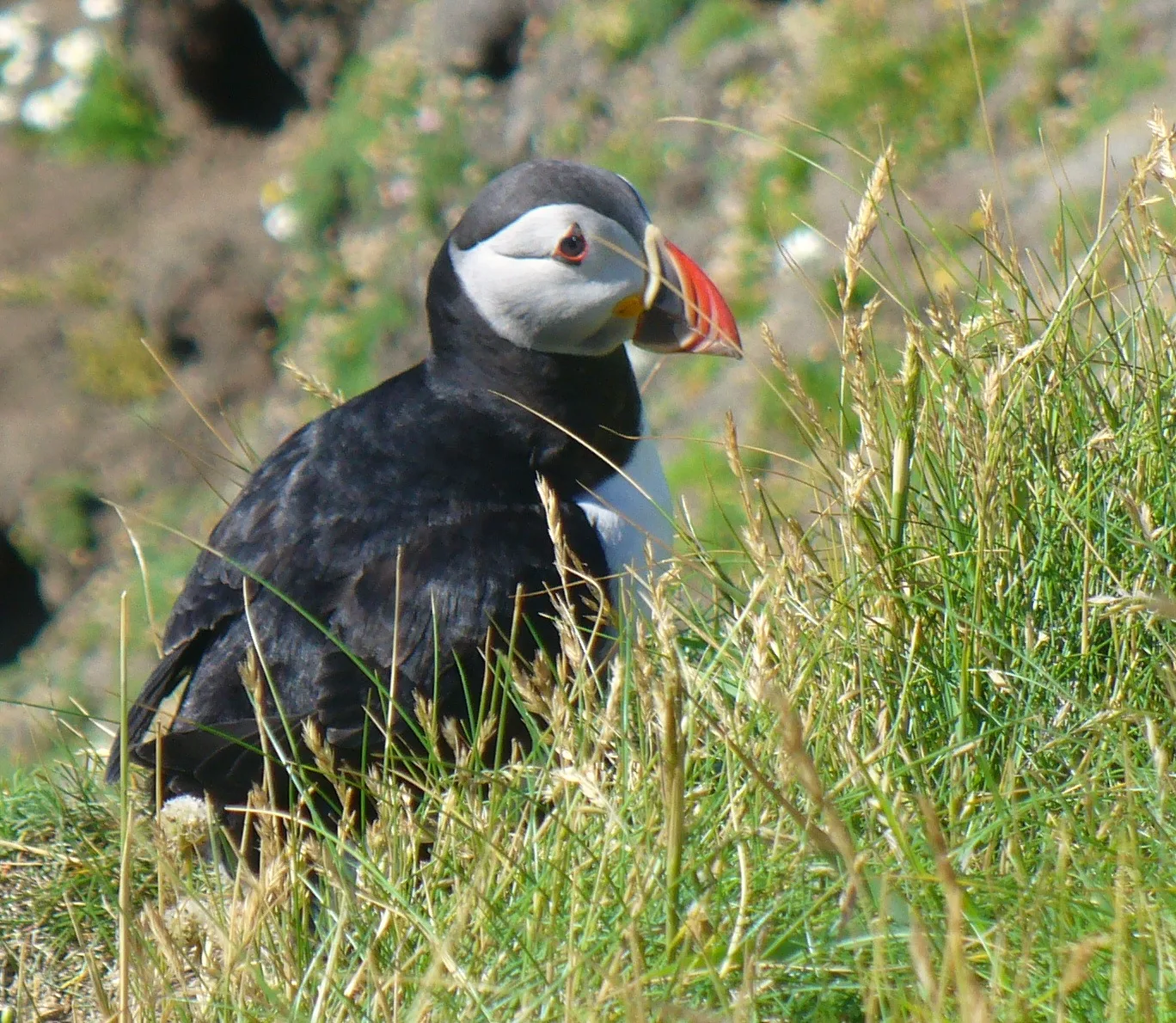
- Orkney: Excellent for birdwatching, particularly seabirds like puffins (seasonal), hen harriers, and short-eared owls. Large seal colonies are easily accessible, and seals, porpoises and (in summer) orcas are best seen up close on a wildlife boat trip. See our Orkney birdwatching guide.
- Shetland: Also fantastic for seabirds (huge colonies at Sumburgh Head, Noss), famous for Shetland ponies, and offers better chances of spotting otters and potentially orcas.
Accessibility & Travel
- Orkney — closer and cheaper to reach. Orkney sits just ~10 miles off the Scottish mainland across the Pentland Firth, and it shows in the travel options: NorthLink's Scrabster–Stromness ferry takes about 90 minutes; Pentland Ferries' Gills Bay–St Margaret's Hope crossing is roughly an hour and usually the cheapest way over with a car; and NorthLink also runs an overnight Aberdeen–Kirkwall sailing (around 6 hours). Loganair flies to Kirkwall year-round from Aberdeen, Edinburgh, Glasgow and Inverness. Once there, the causeway-linked South Isles make Mainland driving easy.
- Shetland — a bigger commitment. Shetland lies about 110 miles north, so getting there is a longer haul: the main sea route is NorthLink's overnight Aberdeen–Lerwick ferry (~12 hours direct, closer to 14 when it calls at Kirkwall). Loganair flies to Sumburgh from the same Scottish airports. Within Shetland, reaching the outer isles leans more heavily on inter-island ferries and small planes than Orkney does — worth factoring into any itinerary.
Culture & Atmosphere
- Orkney — approachable and creative. Orkney feels a little more connected to mainland Scotland, with two proper towns — Kirkwall and Stromness — and a thriving arts, crafts and food scene (the Orkney Craft Trail, silver jewellery, the St Magnus Festival). Its signature spectacle is the Ba': a mass street-football scrum through Kirkwall between the Uppies and Doonies every Christmas Day and New Year's Day, where the Doonies try to force the ball into the harbour.
- Shetland — a distinct Norse identity. Shetland wears its Viking past more openly, with its own dialect, a world-famous fiddle tradition and its knitwear (Fair Isle). Its showpiece is Up Helly Aa in Lerwick on the last Tuesday of January — a torch-lit procession by the Jarl's Squad that ends with a replica Viking galley set ablaze (smaller rural Up Helly Aas run on into March). It's a stronger, more singular cultural identity — the flip side of being harder to reach.
Food & Drink
- Orkney — whisky and a rich island larder. Orkney punches above its weight: Highland Park (founded 1798) and Scapa (1885) are two celebrated single-malt distilleries, Kirkjuvagr makes an Orkney gin from local botanicals, and the islands are known for Orkney cheese, fudge, oatcakes, beremeal bannocks, grass-fed beef and excellent seafood. It's one of the best food destinations in Scotland.
- Shetland — lamb, seafood and a young distillery scene. The star is native Shetland lamb (a hardy breed with protected PDO status), alongside mussels and salmon from the voes and the traditional salt-cured "reestit mutton." Shetland's whisky scene is still nascent — the Saxa Vord distillery on Unst is the UK's most northerly, best known so far for its Shetland Reel gin, with a single malt long planned.
When to Visit
- For puffins and long days — May to July. Puffins are ashore from roughly mid-April to early August, at their best from late May through July when the adults are ferrying sand eels to their chicks. Shetland's Sumburgh Head is one of the easiest places in Britain to watch them at eye level; Orkney has its own cliff colonies at Marwick Head, Westray and Noup Head. Midsummer brings near-endless daylight — the "simmer dim" — with Shetland getting around 19 hours of direct sun on the solstice and Orkney not far behind.
- For festivals and drama — deep winter. If you want spectacle over sunshine, Shetland's Up Helly Aa (last Tuesday of January) and Orkney's Ba' (Christmas and New Year) are unforgettable — though you'll trade them for short days, big winds and the need to book well ahead. For most visitors, May to September is the sweet spot for weather, wildlife and open attractions.
Comparison Table: Orkney vs. Shetland
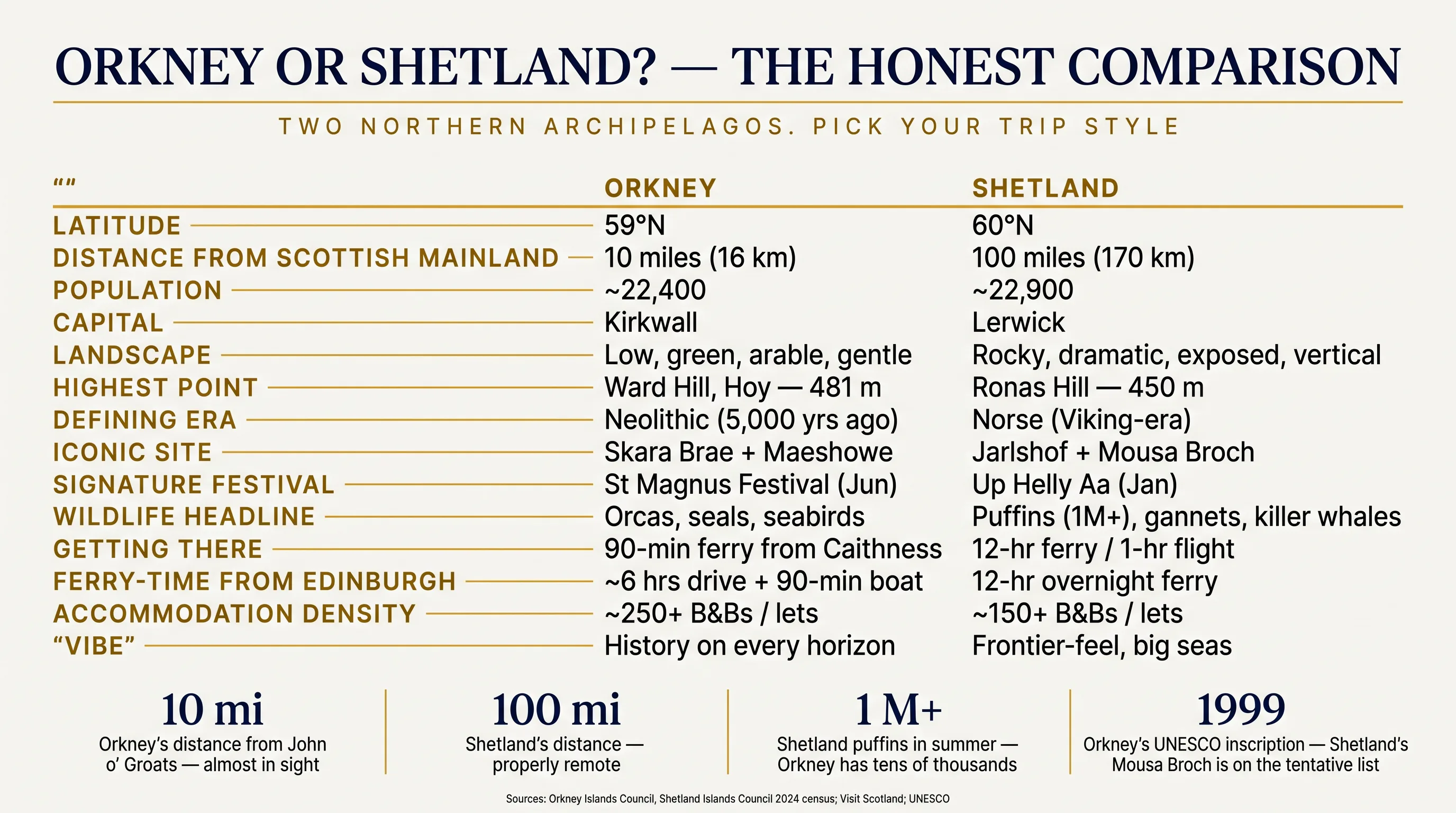
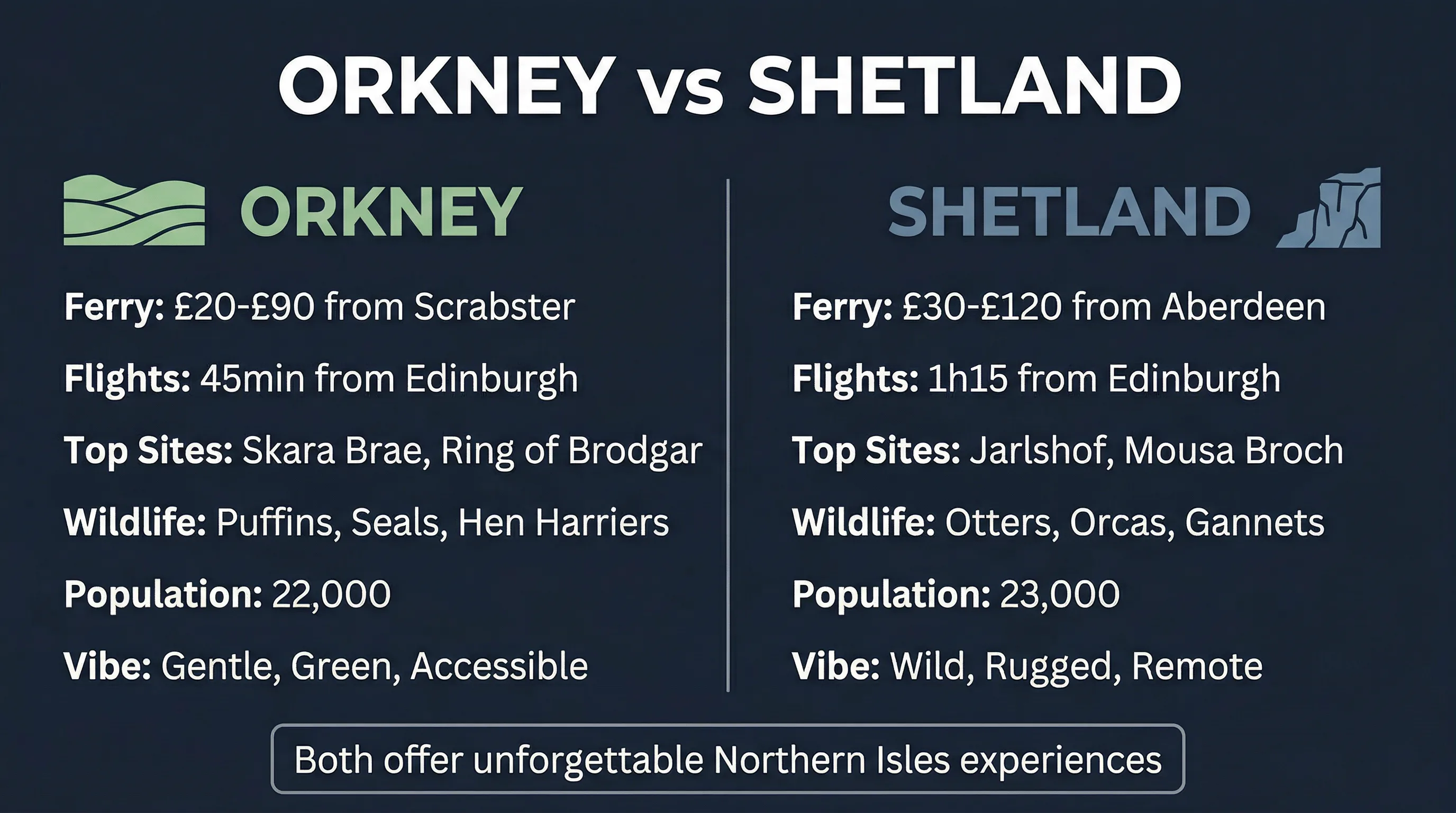
| Feature | Orkney | Shetland |
|---|---|---|
| Main Heritage Focus | Neolithic (UNESCO sites) | Norse/Viking (Jarlshof) |
| Landscape | Greener, rolling hills, key cliff areas | Rugged, treeless, dramatic coastline |
| Accessibility (from Mainland) | Easier (more ferry/flight options) | More limited (longer ferry/flights) |
| Internal Travel | Easier driving (linked isles) | More reliant on inter-island ferries/flights |
| Key Wildlife | Seabirds (puffins), seals, hen harriers | Seabirds (gannets), otters, Shetland ponies, orcas (possible) |
| Atmosphere | Established towns, strong arts scene | More remote feel, distinct Norse culture |
Frequently Asked Questions (FAQ)
Which is better, Orkney or Shetland?
Shetland is absolutely worth visiting — but not necessarily on the same trip as Orkney, and not necessarily first. The honest answer depends on three things: how much history you want versus wilderness, how comfortable you are with longer ferry crossings, and whether you've already done the Scottish Highlands. The side-by-side comparison further up this page (landscape, heritage, wildlife, accessibility, accommodation) is the quickest way to settle it — most first-timers pick the wrong archipelago for their interests because they only read the headline summary.

Can you visit both Orkney and Shetland on one trip?
Yes, it's possible but requires careful planning. You can fly between Kirkwall (Orkney) and Sumburgh (Shetland) with Loganair, or take the NorthLink ferry which stops at Kirkwall en route between Aberdeen and Lerwick (Shetland). Allow ample time, at least 5-7 days for each archipelago.
Is Orkney or Shetland windier?
Both are very windy! Shetland is generally considered slightly windier on average due to its more exposed location further north.
Which has better beaches?
Both have stunning beaches. Orkney is perhaps better known for its wide, sandy bays (e.g., Waulkmill, Tresness), while Shetland offers dramatic coves and tombolos (like St Ninian's Isle).
Is it easier to find accommodation in Orkney or Shetland?
Orkney generally has a wider range and potentially larger number of accommodation options, particularly self-catering, spread across the islands. Shetland's options are more concentrated around Lerwick and main settlements.
Conclusion: Your Ideal Northern Isle
The choice between Orkney vs. Shetland depends on your priorities. For ancient history buffs wanting easier travel, Orkney might be the winner. For those seeking rugged remoteness, Norse heritage, and unique wildlife, Shetland could be the better fit. Whichever you choose, an unforgettable adventure awaits. If Orkney's Neolithic wonders and accessible charm call to you, explore our full range of stays to find your perfect island base.
Sources & further reading
The facts in this guide were checked against the following authoritative sources.
- Shetland.org — About Shetland — Shetland's position and latitude
- NorthLink Ferries — 2026 timetables — Aberdeen-Lerwick sailing times, direct and via Kirkwall
- Shetland — Official Shetland Tourism — official Shetland tourism
- Shetland — VisitScotland — VisitScotland Shetland guide
- Visit Orkney — Orkney.com — official Orkney guide
- Puffin — RSPB — puffin population data