Quick Navigation
- Highland Park: a Viking smuggler's legacy
- Scapa Distillery: the maritime single malt
- Deerness Distillery: Orkney's third malt
- The Orkney Distillery, J Gow Rum and the wider Orkney spirits scene
- How to do the Orkney whisky trail in a day (or two)
- The Magnus Eunson story
- Frequently Asked Questions
- How many distilleries are in Orkney?
- How much do Highland Park and Scapa distillery tours cost?
- Can I visit both Highland Park and Scapa in one day?
- Do I need to book distillery tours in advance?
- Is Orkney peat different from Islay peat?
- Can I tour the Deerness Distillery?
- Where should I stay for the Orkney whisky trail?
- Sources & further reading
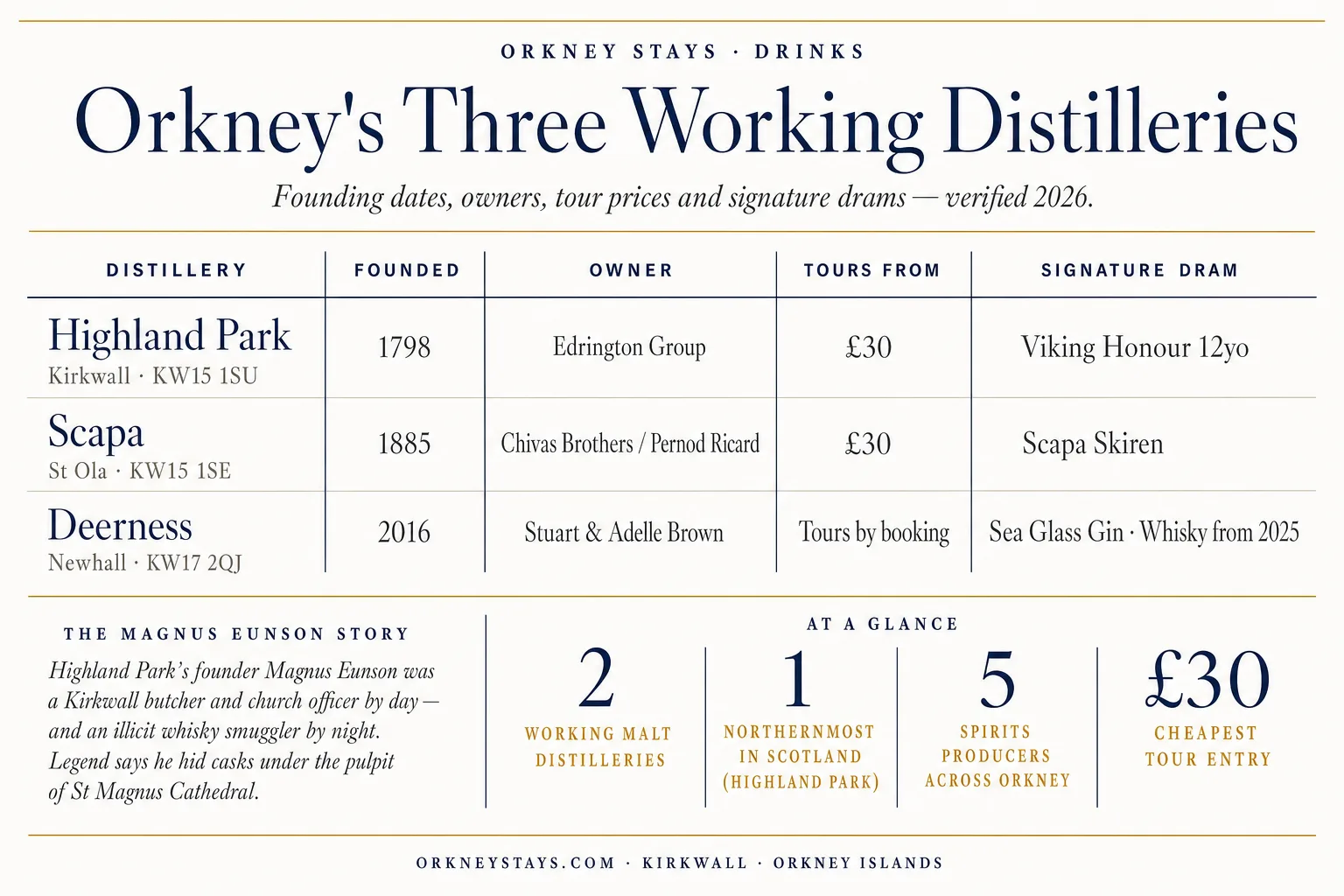
Orkney makes whisky the way Orkney does most things — slowly, stubbornly, and with the weather doing half the work. Two working malt distilleries, one of them the northernmost in Scotland and founded by a smuggler in 1798, sit fewer than three miles apart on the outskirts of Kirkwall. A third, much newer, is now turning the East Mainland into a single-island whisky route, and a small clutch of gin and rum producers fill in the gaps. This is the whole trail — verified for 2026.
Highland Park: a Viking smuggler's legacy
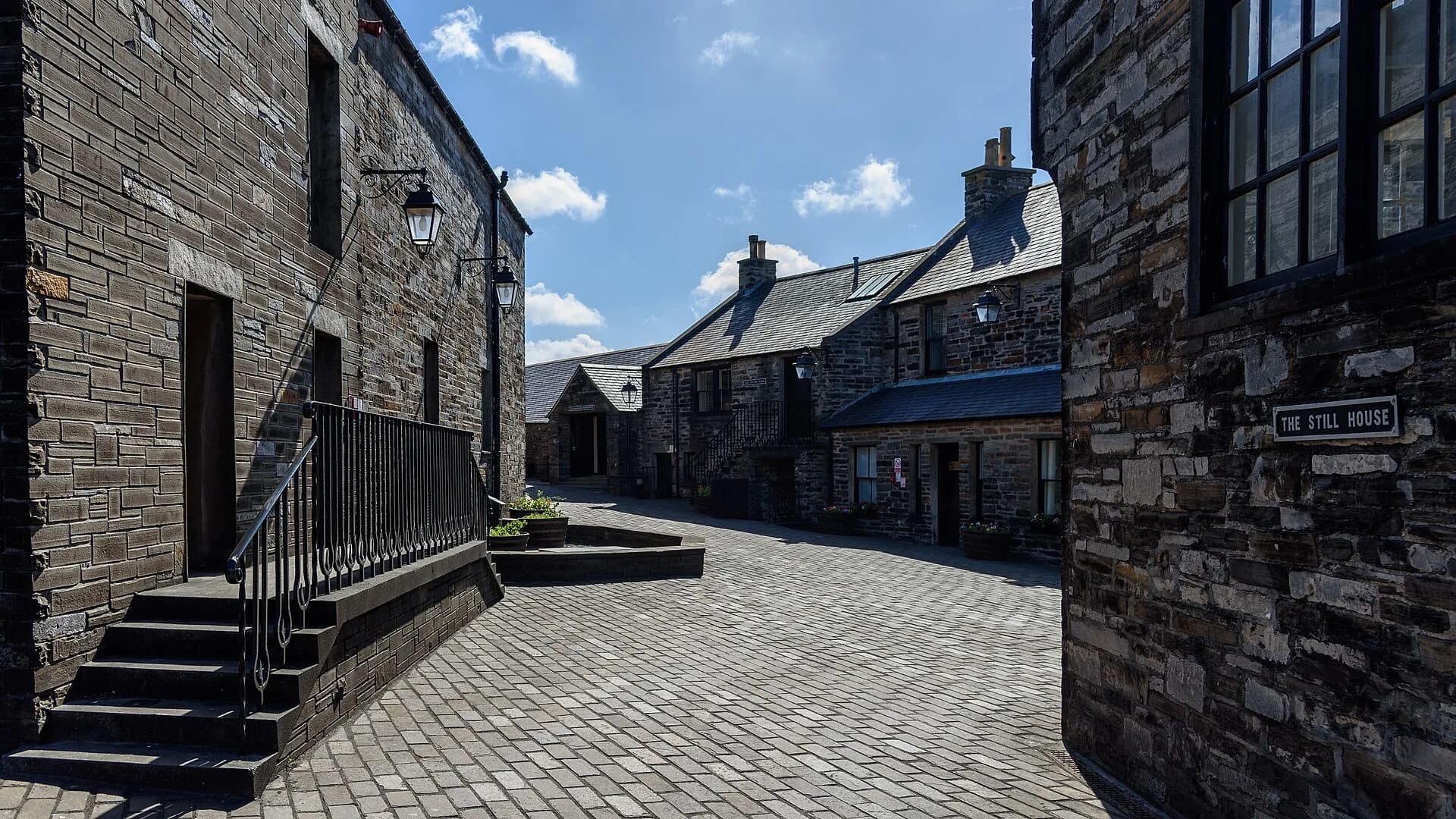
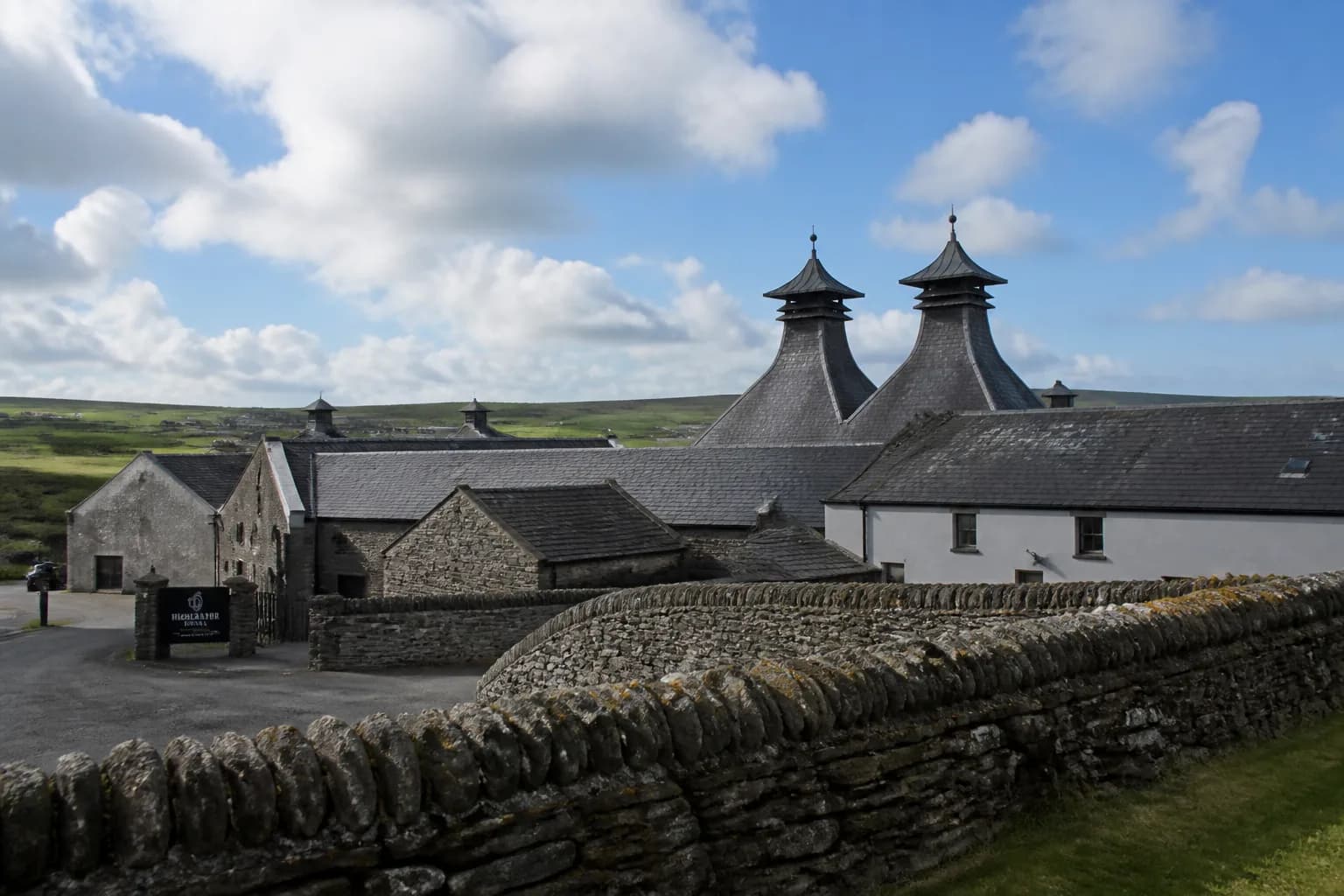
Founded in 1798 by Magnus Eunson — a Kirkwall butcher, church officer and committed illicit distiller — Highland Park is the northernmost single malt Scotch whisky distillery in Scotland. Eunson, the story goes, hid casks beneath the pulpit of St Magnus Cathedral and rode to Edinburgh with bottles strapped to his body under the guise of clergy travel. The distillery he founded was officially licensed in 1826, has been owned by The Edrington Group since 1979, and now produces around 2.5 million litres of spirit a year on Holm Road, about half an hour's walk south of Kirkwall harbour and uphill most of the way.
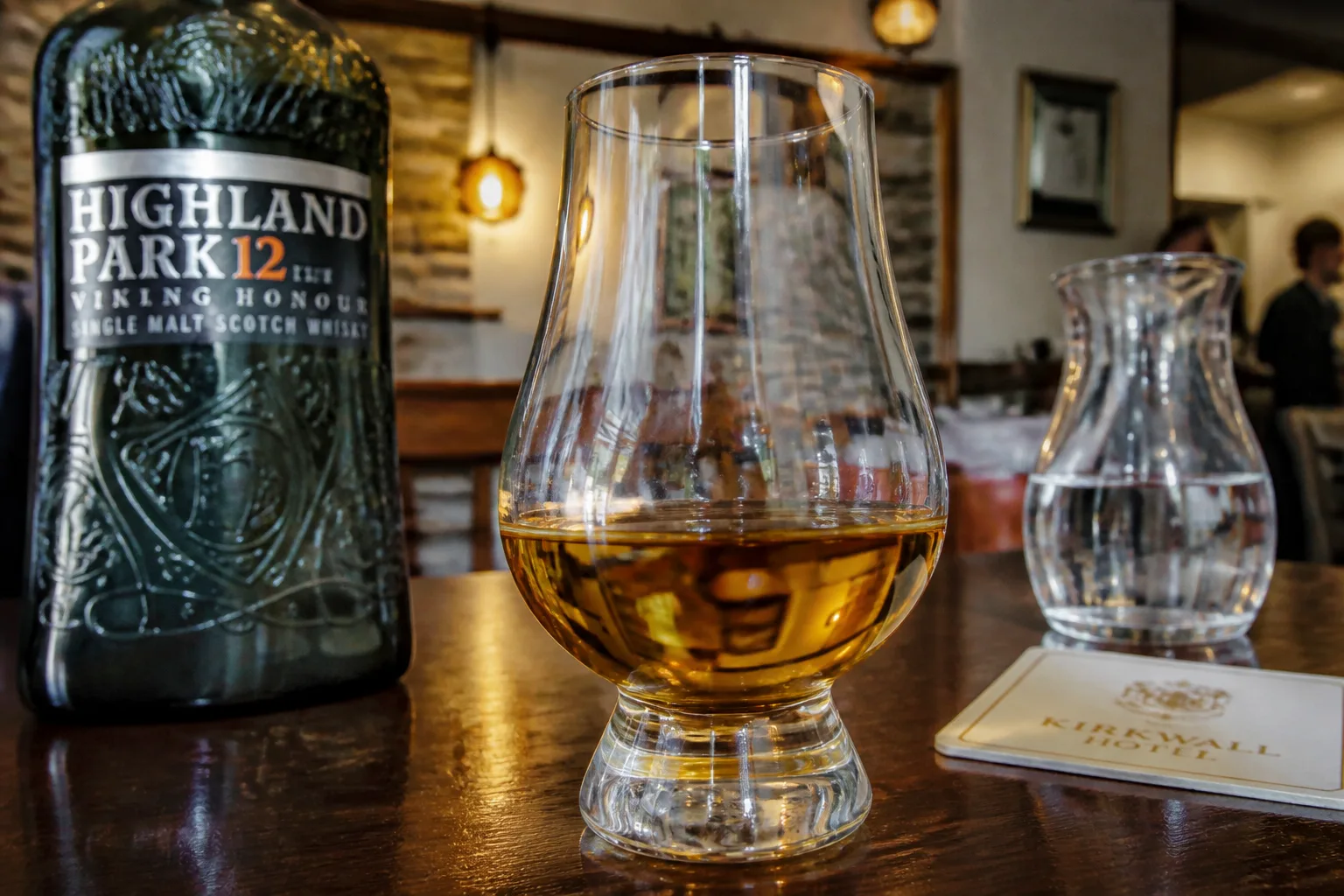
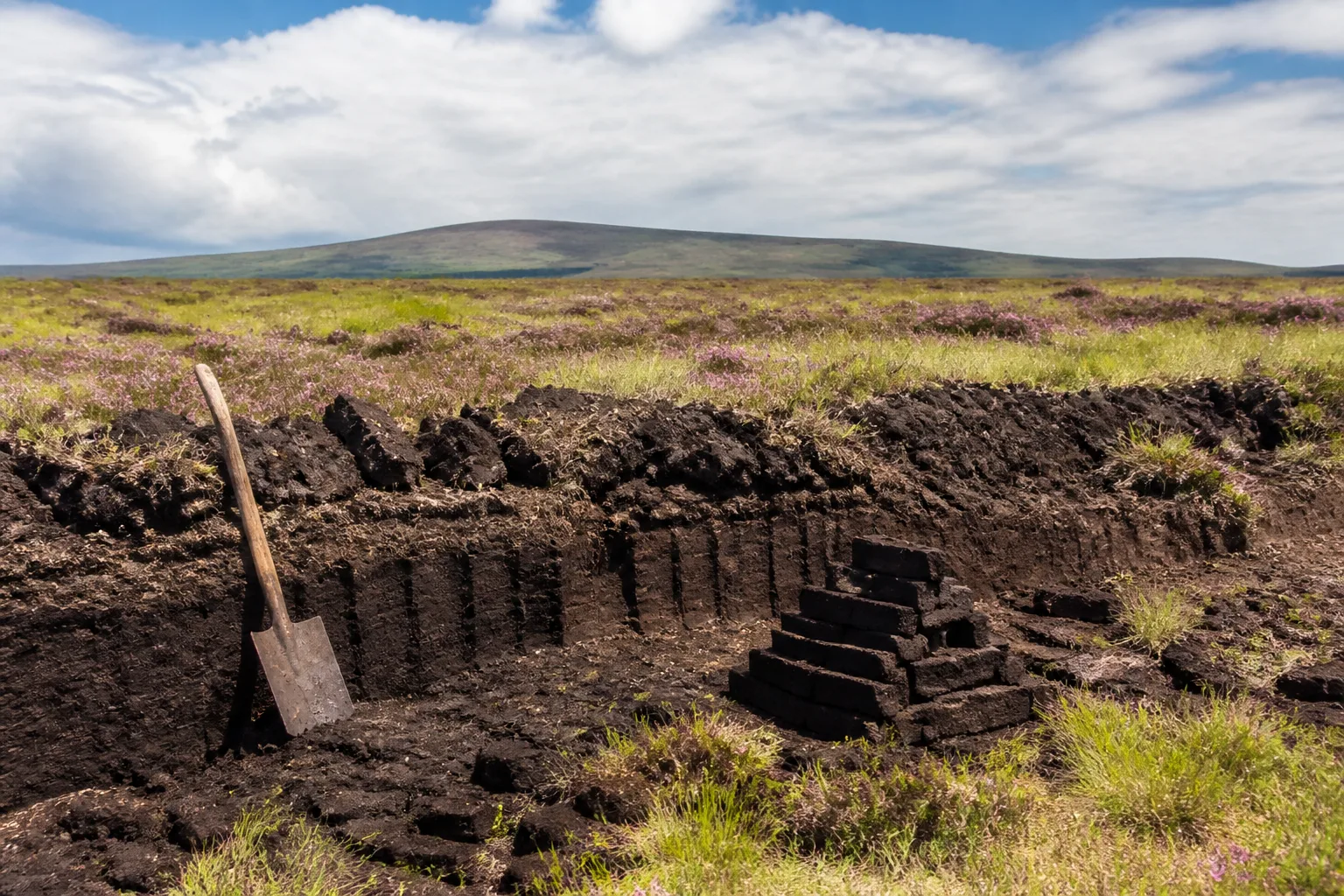
What makes the place worth a visit isn't the volume — it's the heritage of method. Highland Park is one of only a handful of Scotch distilleries still running its own floor maltings, producing around a fifth of its malt requirement on site. The peat is cut from Hobbister Moor a few miles west: woodless, heather-rich, and lower in the harsh medicinal phenols of the famous Islay peats. The result is the heather-honey-and-smoke profile that has made Viking Honour (the 12-year-old) and Viking Pride (the 18) two of the most-decorated single malts of the last twenty years.
Scapa Distillery: the maritime single malt
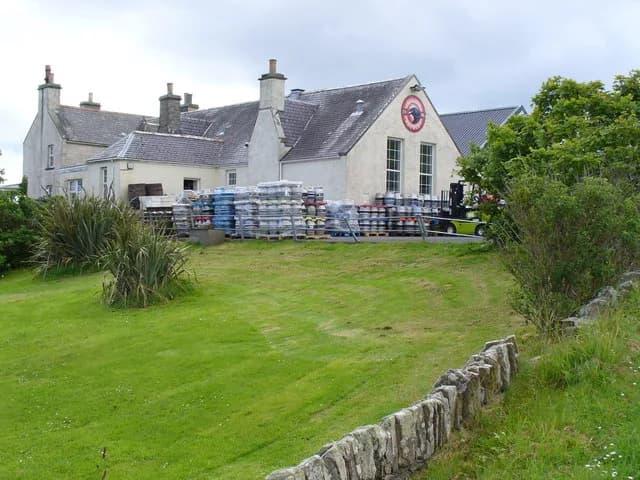
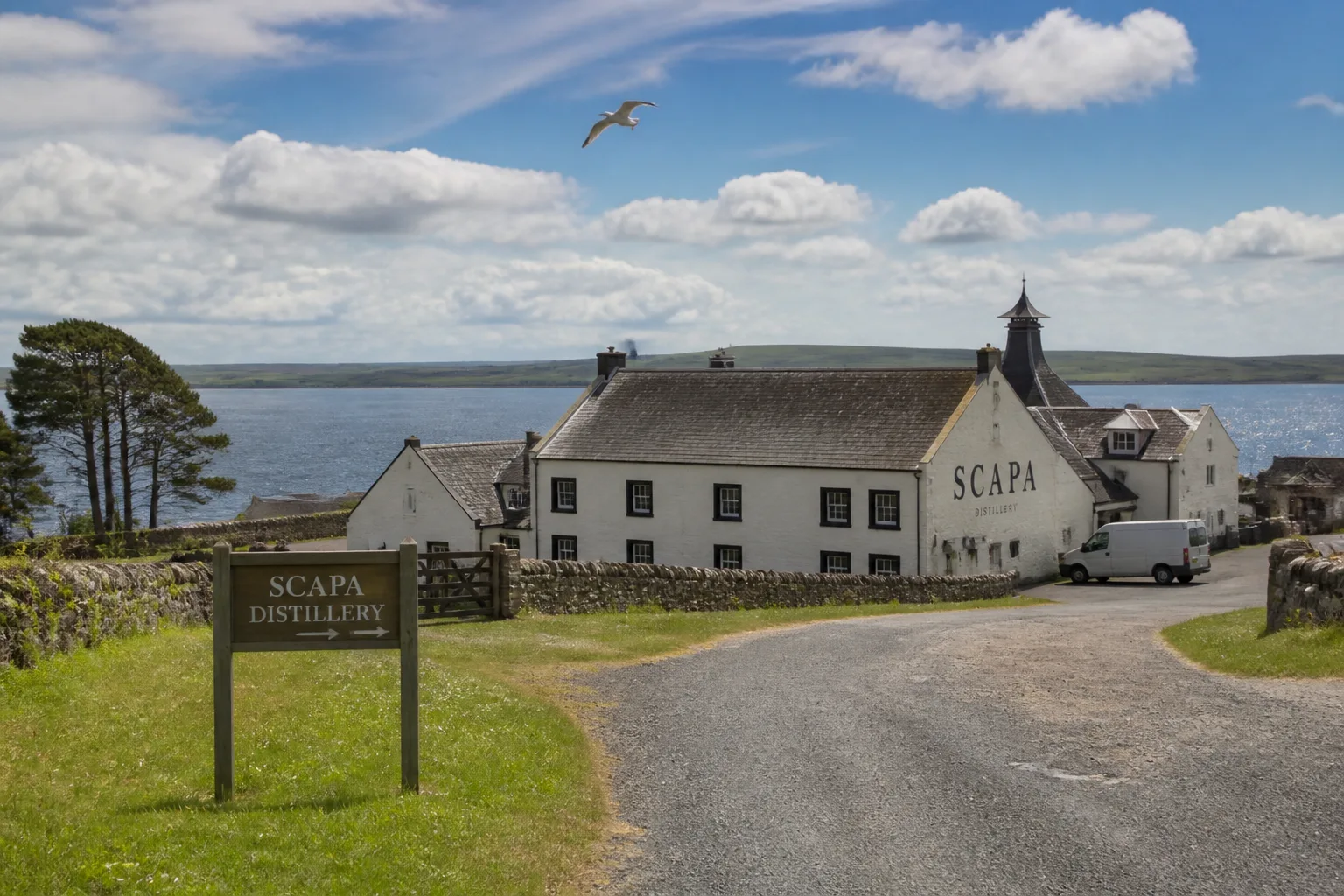
Founded in 1885 by the Glasgow blenders Macfarlane & Townsend, Scapa sits two miles from Highland Park on the shore of Scapa Flow, the natural deep-water anchorage where the German High Seas Fleet was scuttled in 1919. The distillery has had a chequered history — repeated mothballing through the twentieth century, a 1919 fire, a near-permanent closure in the 1990s — but it's been steadily reborn since Chivas Brothers (Pernod Ricard) took it over in 2005 and opened a proper visitor centre in 2015.
Scapa's character is the polar opposite of Highland Park's: unpeated, soft, fruit-forward, with a brushed-honey sweetness that the brand attributes to its rare Lomond wash still — one of the very few left in the industry. Mark Stanwix's signature core is Scapa Skiren, named for the Old Norse for "glittering bright skies", matured in first-fill American oak. The lightly-peated Scapa Glansa ("storm-laden skies") arrived in 2016 as a single-cask-finish experiment that became a permanent expression; the 16-year-old that fans still mourn was discontinued the same year.
Planning your trip
Staying overnight? Compare live prices and availability across Orkney on Booking.com.
Compare Orkney staysWe earn a small commission if you book through this link, at no extra cost to you.
Deerness Distillery: Orkney's third malt
Stuart and Adelle Brown built Deerness Distillery by hand on the family farm at Newhall in East Mainland, twenty minutes' drive east of Kirkwall, opening in 2016 with a copper still and a plan to make gin first and whisky later. The plan worked: their Sea Glass gin and Into the Wild vodka picked up serial awards, the Dashing Deer Kitchen and Bar opened on site in 2024, and three new copper whisky stills were finally commissioned in early 2025 — making this the first new Orkney malt distillery in 130 years.
The first Deerness single malt won't be old enough to bottle as Scotch until 2028 at the earliest (three-year minimum maturation, plus the founders' stated preference for longer ageing), but the visitor experience is already worth the trip for the gin tasting, the lunch at Dashing Deer, and the chance to see a working malt distillery before the casks are full. Tours are by booking only — phone ahead.
The Orkney Distillery, J Gow Rum and the wider Orkney spirits scene
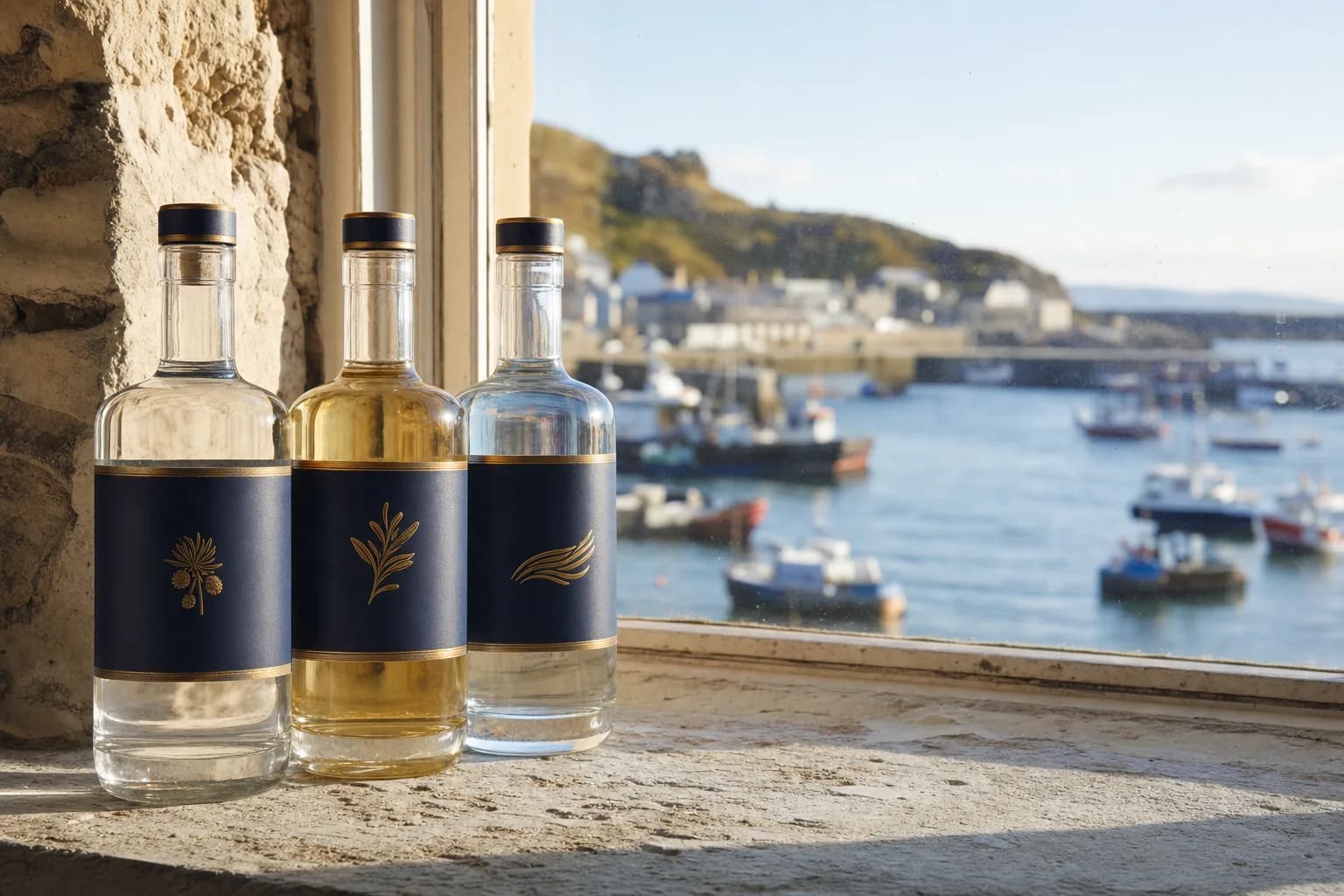
Two more producers round out the islands' modern drinks map. The Orkney Distillery on Ayre Road in Kirkwall (open daily 10:00–18:00 in peak season, May–September) is the home of Kirkjuvagr gin — botanically forward, sea-bottled, distinctly Orcadian — plus a small range of blended malt Scotch under the Fara and Rysa labels. Their Whisky School (one-, three- and five-day blending courses) is the only hands-on whisky education on the islands and worth a half-day if you're serious about the craft.
And on Lamb Holm, a fifteen-minute drive south of Kirkwall across the first Churchill Barrier, J Gow Rum has been quietly building a reputation as an award-winning Scottish rum distillery since 2017. Collin van Schayk converted part of the family wine business into a one-man rum operation; the spiced rum, the unaged Culverin, the chestnut-aged Fading Light and the three-year Revenge are all worth a tasting flight. Pair the visit with the Italian Chapel next door and you've made an afternoon of it.
How to do the Orkney whisky trail in a day (or two)
Both Highland Park and Scapa run from 10:00 to 17:00 every day. The smart play is morning at Highland Park (you'll want the longer, more immersive Magnus Eunson or Cask Strength tour, and the gift shop), lunch at the Kirkwall Hotel or the Storehouse Restaurant, then the afternoon at Scapa (take advantage of the free shuttle from the Travel Centre — drink-driving in Scotland is policed hard, including the morning after). Add a second day for Deerness in East Mainland and J Gow on Lamb Holm, and you have a Friday-and-Saturday weekend.
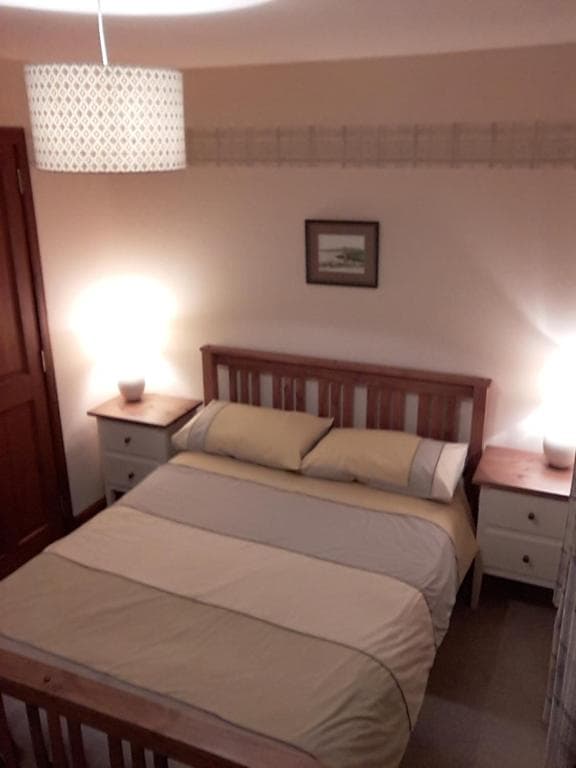
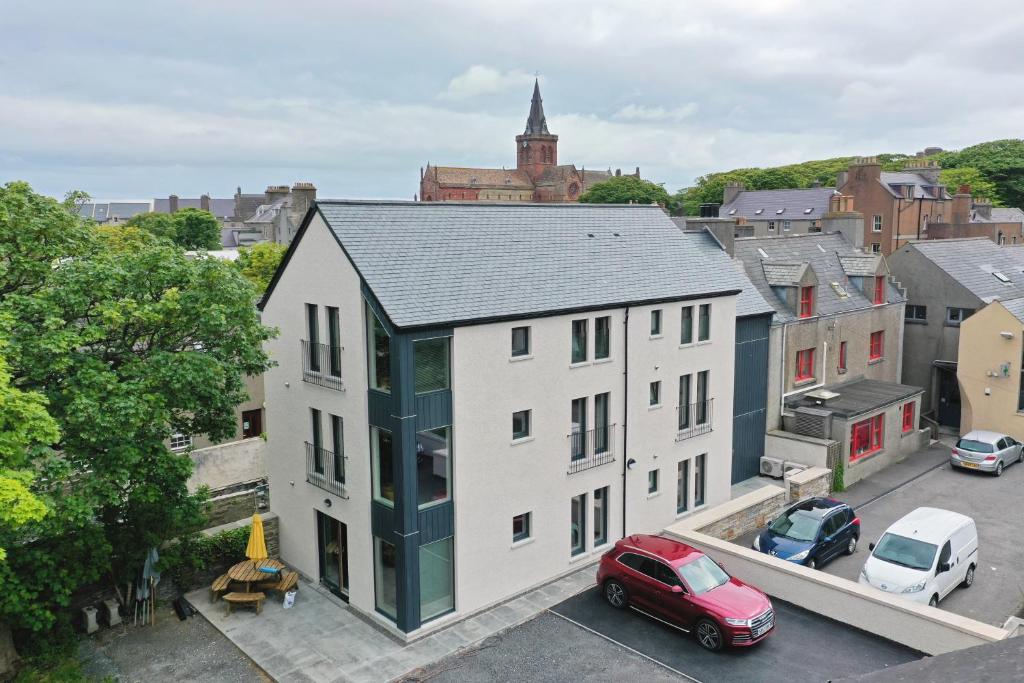
If you're staying overnight, base yourself in central Kirkwall — both malt distilleries are within taxi distance, and the town has the deepest accommodation pool on the islands. A handful of Kirkwall hotels and self-catering properties sit within a ten-minute walk of Highland Park itself. The Norse heritage walk past St Magnus Cathedral — the building where Eunson, by legend, hid his illicit casks — is the natural morning before the distillery, and there's a strong argument for finishing the evening at one of the seafood restaurants where Highland Park 18 pairs astonishingly well with hand-dived scallops.
The Magnus Eunson story
It's worth a small section on its own. Eunson was Kirkwall's church officer — the man who looked after St Magnus Cathedral, who knew which floorboards lifted and which closet doors locked. He was also, like a substantial fraction of late-eighteenth-century Orcadians, an illicit distiller, in a tradition that ran from the Pentland Firth to the Northern Isles. The legend that he hid casks under the cathedral's pulpit — and that, when the excisemen called, he persuaded them not to look there by claiming a smallpox-infected corpse was being prepared for burial — is firmly in the realm of pub-folklore-with-evidence. What is documented is that he was caught in 1798, that his operation became a licensed distillery soon afterwards, and that he was buried in Kirkwall in 1832 in good standing with the church. The Magnus Eunson tour at Highland Park leans hard into this story — and it's the right tour to take if the romance of the smuggler-saint matters more to you than the rare-cask tasting.
Frequently Asked Questions
How many distilleries are in Orkney?
Two working malt whisky distilleries — Highland Park (1798) and Scapa (1885) — plus Deerness Distillery, which began whisky distillation in March 2025 and whose first single malt will be bottleable from 2028. Add The Orkney Distillery in Kirkwall (Kirkjuvagr gin and blended malt brands Fara and Rysa) and J Gow Rum on Lamb Holm, and the islands have five spirits producers open to visitors.
How much do Highland Park and Scapa distillery tours cost?
Both distilleries run an entry-level tour (Highland Park's Welcome Experience, Scapa's The Journey) that starts at around £30 per person, then climb through premium tiers — Highland Park up to the Magnus Eunson and cask-strength experiences, Scapa through The Voyage and the top-end Odyssey. Prices change year to year, so check the current rate on each distillery's own website when you book — and do book ahead, because summer slots fill weeks in advance.
Can I visit both Highland Park and Scapa in one day?
Yes — they're about two miles apart on the outskirts of Kirkwall and both open 10:00 to 17:00 daily. Morning at Highland Park, lunch in Kirkwall, afternoon at Scapa is the standard itinerary. Scapa runs a free shuttle from the Kirkwall Travel Centre for confirmed bookings, which keeps you legal on Scotland's strict drink-driving limit (50mg per 100ml of blood — half the rest of the UK).
Do I need to book distillery tours in advance?
Yes, especially May to September. Highland Park's smaller premium tours (Magnus Eunson, Cask Strength) often sell out a month ahead; the entry-level Welcome Experience is more flexible. Scapa's top-tier Odyssey runs on a much tighter schedule. Deerness Distillery is booking-only at all times — phone ahead.
Is Orkney peat different from Islay peat?
Yes — and it's the single biggest reason Highland Park doesn't taste like Laphroaig. The peat cut from Hobbister Moor is woodless, heather-rich, and lower in the harsh medicinal phenols (especially guaiacol and 4-methylguaiacol) that give Islay malts their famous TCP and iodine notes. The Orkney result is a softer, more aromatic smoke — heather honey, fragrant wood-smoke, a whisper of dried herbs — rather than the smoky bonfire-and-seaweed of the West Coast.
Can I tour the Deerness Distillery?
Yes, by appointment. Deerness runs tours and tastings by prior booking only; the on-site Dashing Deer Kitchen and Bar (open since 2024) makes it a worthwhile half-day with lunch. Whisky production started in March 2025, so for now you'll be tasting the Sea Glass gin, the Into the Wild vodka, and the liqueur range — but you'll see the new whisky stills running.
Where should I stay for the Orkney whisky trail?
Kirkwall is the obvious base — both Highland Park and Scapa are within taxi or short walking distance, and the town's farm shops and local-producer scene means breakfast and lunch are easy. Browse where to stay across Orkney to line up a base within reach of the distilleries; the Kirkwall Hotel itself is famously good for a Highland Park dram (over 100 expressions behind the bar) and a sound sleep within walking distance of the harbour.
The Orkney Whisky Trail is the rare regional whisky route that you can finish in a long weekend without rushing — short distances, long histories, two extraordinary single malts and a new one on the way. Sláinte mhath.
Sources & further reading
The facts in this guide were checked against the following authoritative sources.
- Scotch Whisky — Scapa distillery history — 1885 founding, the 1919 fire, repeated mothballing, Pernod Ricard 2005 and the 2015 visitor centre
- Scapa Distillery — The Distillery — the distillery's own founding date and location
- Highland Park Single Malt Scotch Whisky — Highland Park official distillery
- About J Gow Rum — Orkney rum distillery
- Scotch Whisky Association — Scotch whisky industry body
- Scottish Whisky — VisitScotland — whisky tourism in Scotland