Quick Navigation
- Where is Eday?
- The Stone of Setter and Vinquoy Cairn
- Mill Loch and the Red-Throated Divers
- Pirates, Peat and Red Cliffs
- The Eday Heritage Walk
- Getting to Eday
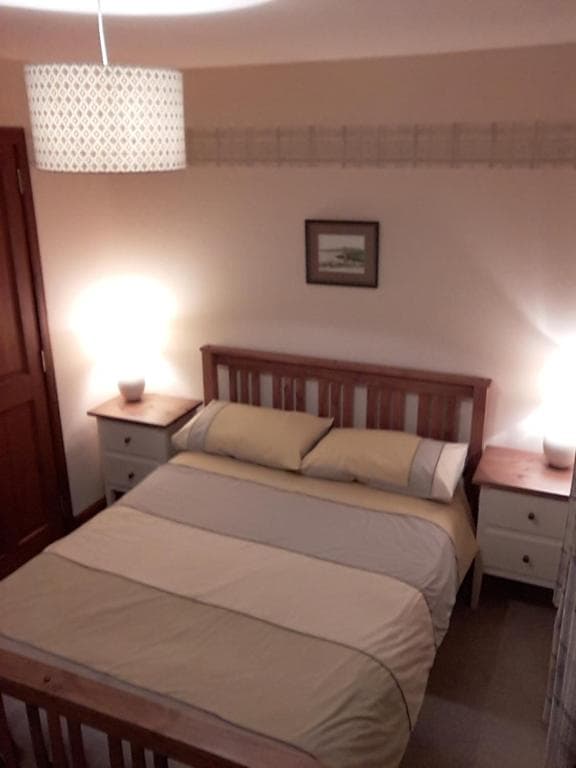
- Where to Stay on Eday
- Frequently Asked Questions
- How tall is the Stone of Setter on Eday?
- What is there to see on Eday?
- What does the name "Eday" mean?
- Who was John Gow, and what is his link to Eday?
- How do you get to Eday?
- When is the best time to visit Eday?
Eday is the long, narrow, quietly extraordinary middle child of Orkney's North Isles — an island whose Old Norse name simply means "isthmus island," strung between two sea sounds and crowned with some of the most remarkable Neolithic monuments in the north. Here stands the towering Stone of Setter, a chambered tomb on a hill with a view over three islands, a loch where red-throated divers breed, and the spot where one of Britain's most notorious pirates was finally run to ground. Add red sea cliffs and a single superb heritage walk that links it all, and you have an island made for slow, curious days. This is the full 2026 guide.
Where is Eday?
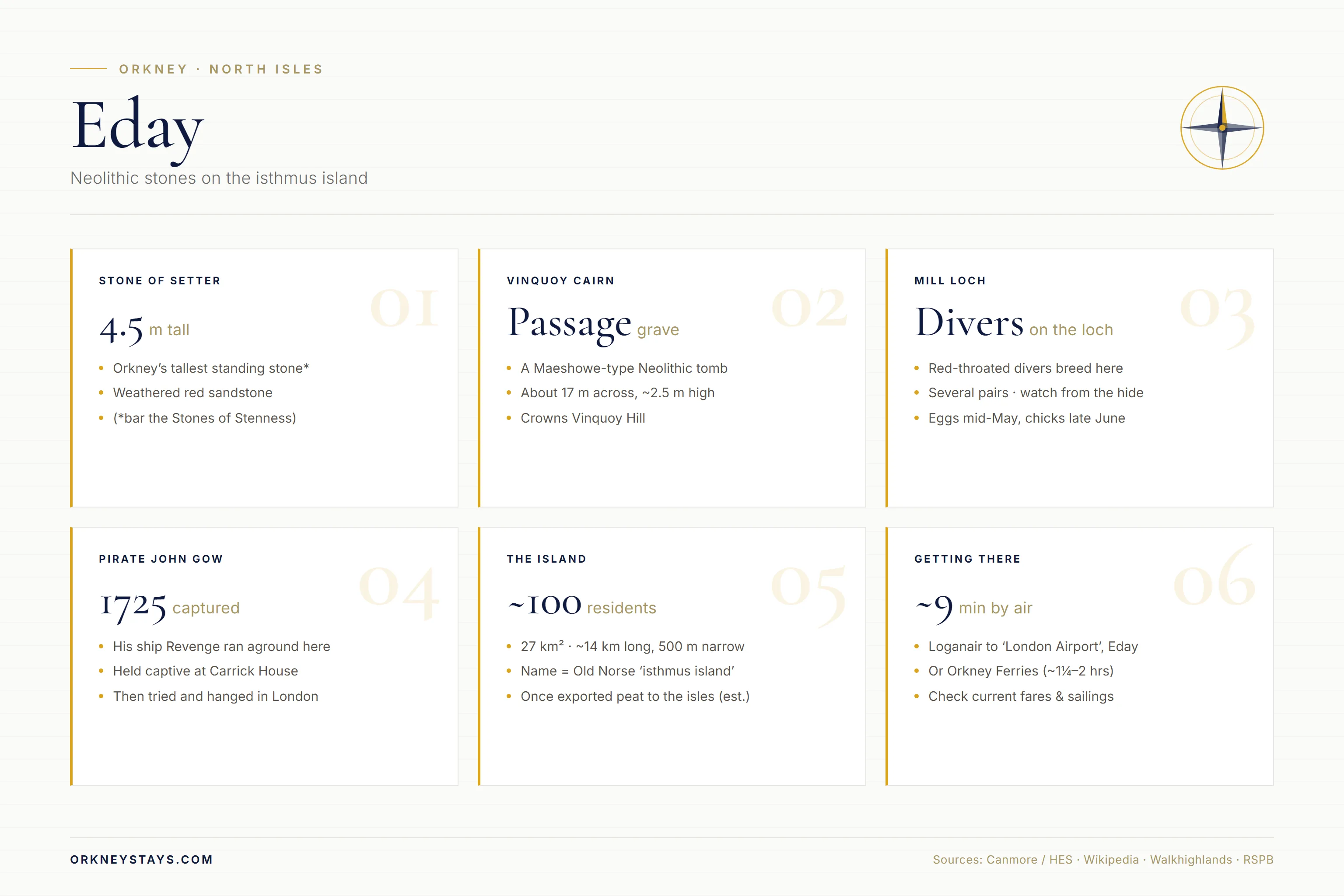
Eday lies in the middle of Orkney's North Isles, between Stronsay and Sanday and about fifteen miles north-east of Kirkwall. It is a curious shape — roughly 14 kilometres long from north to south but only just over 500 metres wide at its narrowest waist, which is exactly what its name describes: from Old Norse eið, "isthmus island." It covers about 27 square kilometres (10 square miles) of heather moor, rough hill and crofting land, more rugged and brown than its green, fertile neighbours. The population is small — around 100 residents (160 at the 2011 census) — and the island wears its history lightly, with monuments thousands of years old sitting quietly among the peat.
The Stone of Setter and Vinquoy Cairn
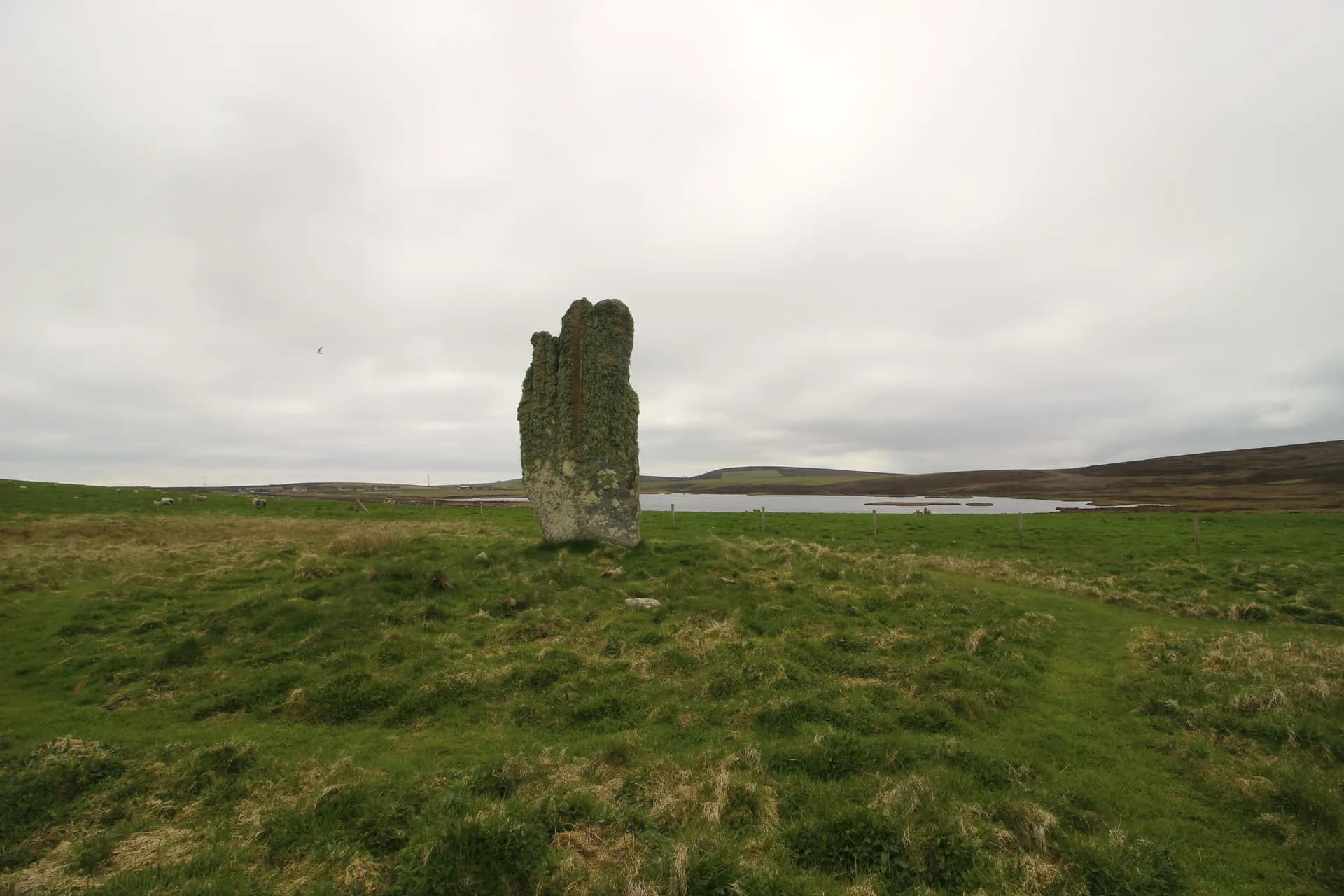
Eday's archaeology is its glory. The Stone of Setter is the showpiece — a single weathered slab of red sandstone standing 4.5 metres (about 15 feet) tall, deeply split by the centuries into finger-like fissures, and the tallest standing stone in Orkney bar the great Stones of Stenness on the Mainland. It has presided over this stretch of moor for some five thousand years, and a cluster of cairns and prehistoric sites lie within sight of it.
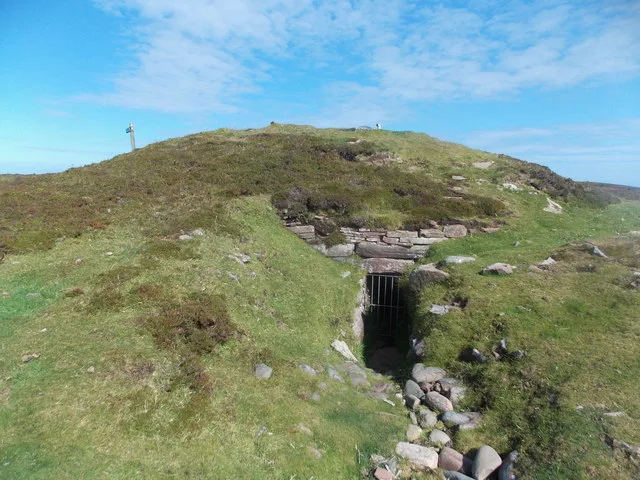
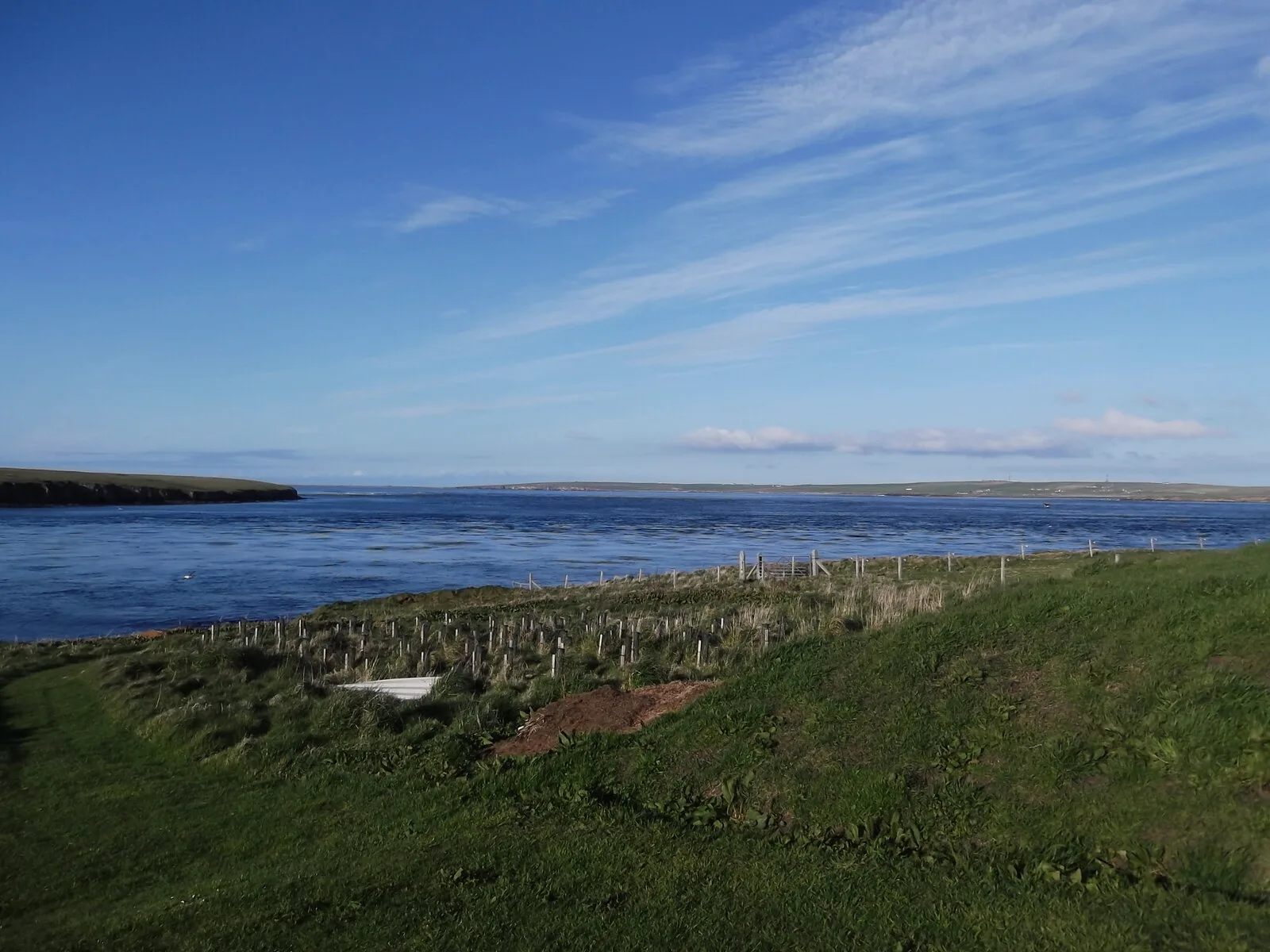
Above the stone, on the summit of Vinquoy Hill, sits the Vinquoy Chambered Cairn — a Maeshowe-type Neolithic passage grave about 17 metres across and 2.5 metres high, with a low entrance passage leading to a central chamber and side cells. You can crawl inside (bring a torch), and the spot itself is worth the climb for the view alone: a commanding outlook over Calf Sound and the surrounding islands.
Planning your trip
Staying overnight? Compare live prices and availability across Orkney on Booking.com.
Compare Orkney staysWe earn a small commission if you book through this link, at no extra cost to you.
Mill Loch and the Red-Throated Divers
Eday is one of the best places in Orkney to see one of Britain's most evocative breeding birds. Mill Loch, a quiet freshwater loch in the centre of the island, is a long-established breeding site for red-throated divers — elegant, haunting-voiced waterbirds that nest at the loch edge through the summer. A lochside bird hide lets you watch without disturbing them.
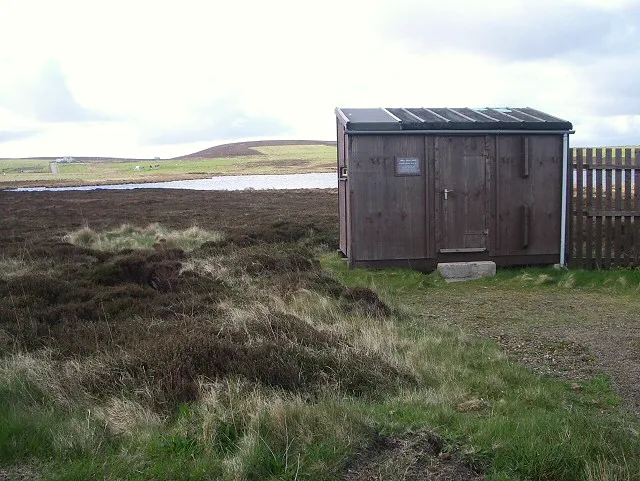
- When: divers are on the loch from spring; eggs are typically laid in mid-May, with chicks hatching about four weeks later. Several pairs breed in a good year.
- How: watch quietly from the hide and keep dogs away from the loch margins during the breeding season.
- Beyond the loch: the uninhabited Calf of Eday offshore is a Special Protection Area supporting some 32 species of breeding birds, with its own Neolithic cairns — local boatmen can sometimes arrange a landing.
For the wider seasonal picture of which species turn up where, see the guide to birdwatching across Orkney — Eday's lochs and moors are a quietly outstanding corner of it.
Pirates, Peat and Red Cliffs
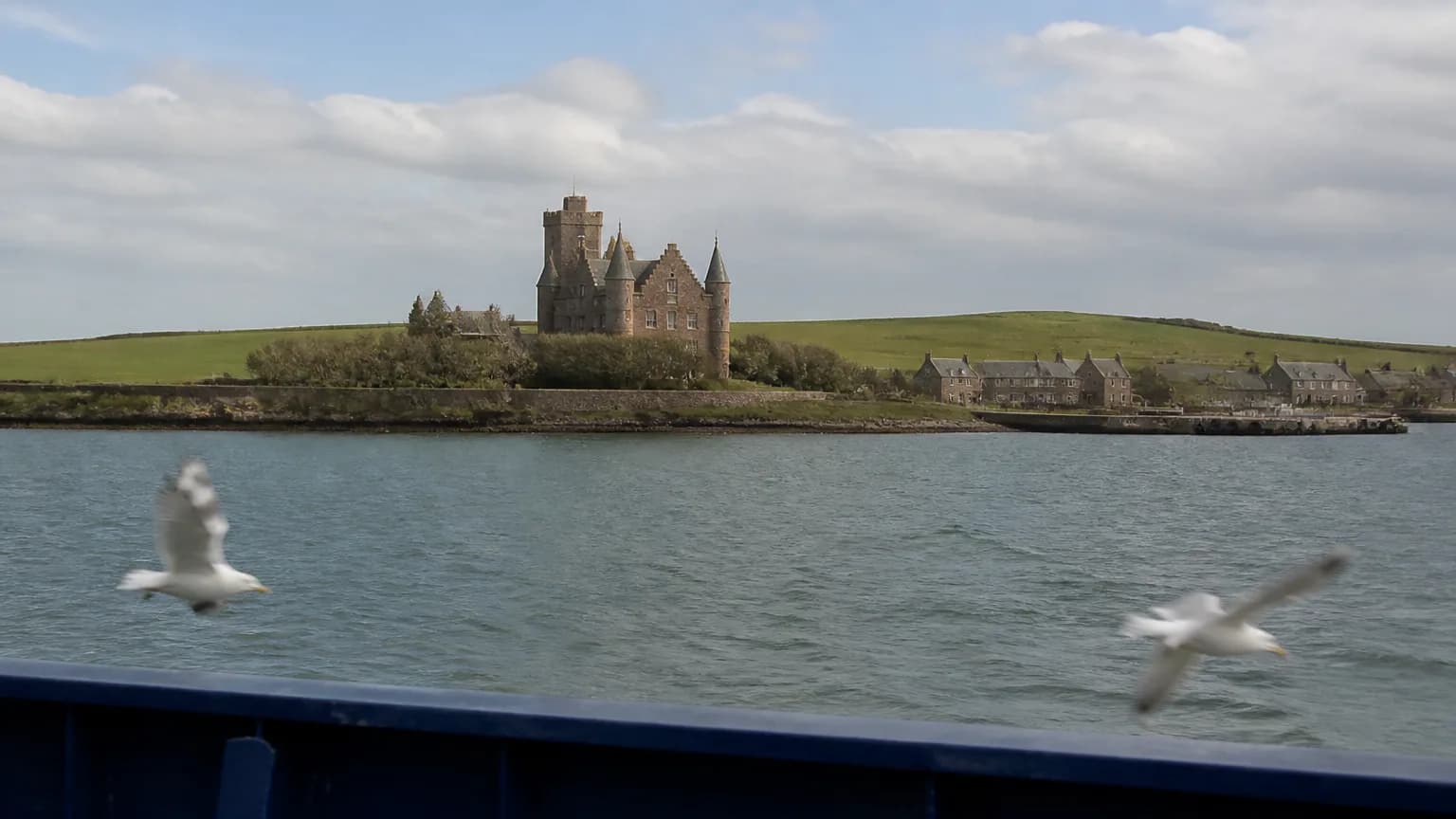
Eday's most colourful tale is true. In 1725 the pirate John Gow — an Orcadian himself — brought his ship the Revenge into these waters, only to run aground on the Calf of Eday. He was captured by the laird of nearby Carrick House, held there, and later shipped to London, tried and hanged. Carrick House, a 17th-century laird's house, still stands and is occasionally open to visitors.
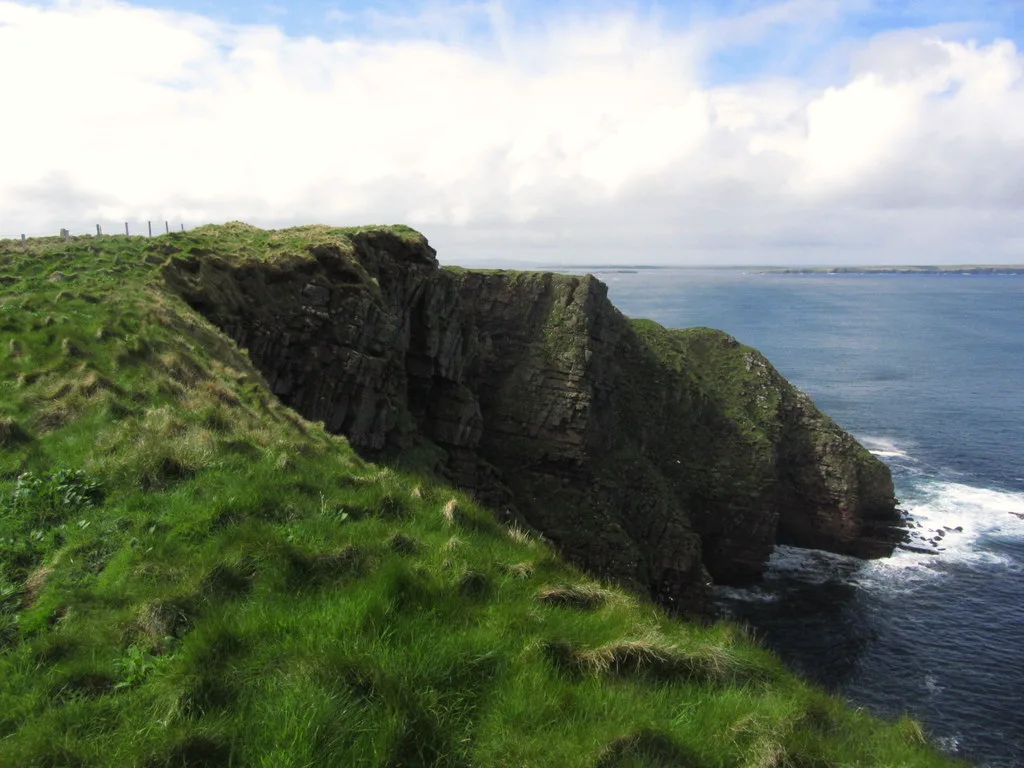
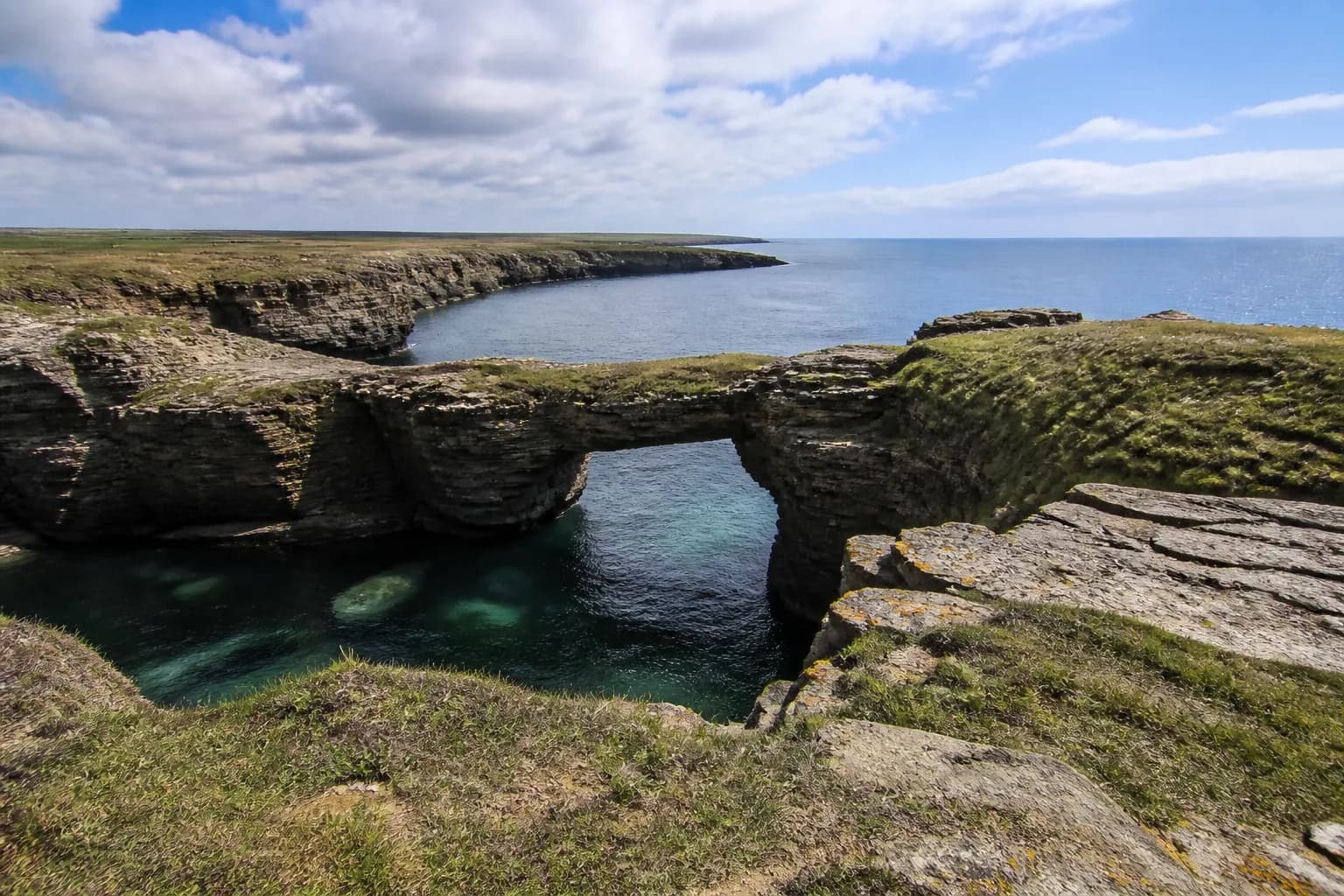
The island's other great export was beneath its feet: peat. Eday's deep peat banks once fuelled not just its own homes but those of neighbouring Sanday and North Ronaldsay, and were even shipped to mainland Scottish distilleries. Today the moorland that produced it makes for fine walking, and the warm red sandstone cliffs at the island's ends — laced with sea-thrift and seabirds in early summer — are a reward in their own right.
The Eday Heritage Walk
The single best way to see Eday is the waymarked Eday Heritage Walk, which threads the island's highlights into one route of around five miles. Starting near the centre of the island, it links Mill Loch and its bird hide, the Stone of Setter, the Vinquoy chambered cairn and the Vinquoy Hill viewpoint, finishing near the red cliffs of the north coast. It's a moderate half-day on foot, and it bundles Neolithic monuments, breeding birds and big island views into a single, satisfying loop. The Eday Heritage Centre, in a renovated former Baptist chapel, is the place to fill in the background before or after — it opens for the May-to-September season, so check the day's hours before you make the crossing.
Getting to Eday
- By air (Loganair): the quickest way in — about 9 minutes from Kirkwall Airport to Eday's airfield, charmingly named "London Airport," on the inter-isles service operated under an Orkney Islands Council Public Service Obligation contract.
- By sea (Orkney Ferries): daily sailings from Kirkwall to Backaland on Eday, a crossing of roughly 1¼ to 2 hours depending on whether the sailing also calls at another isle. The ferry carries vehicles.
- Fares: both are subsidised and good value, but timetables and prices change — check current fares and sailings directly with Loganair and Orkney Ferries before you travel.
- On the island: there's no public transport, and Eday is long, so a bike or car helps — or arrange a lift through your accommodation. The Heritage Walk, though, is best done on foot.
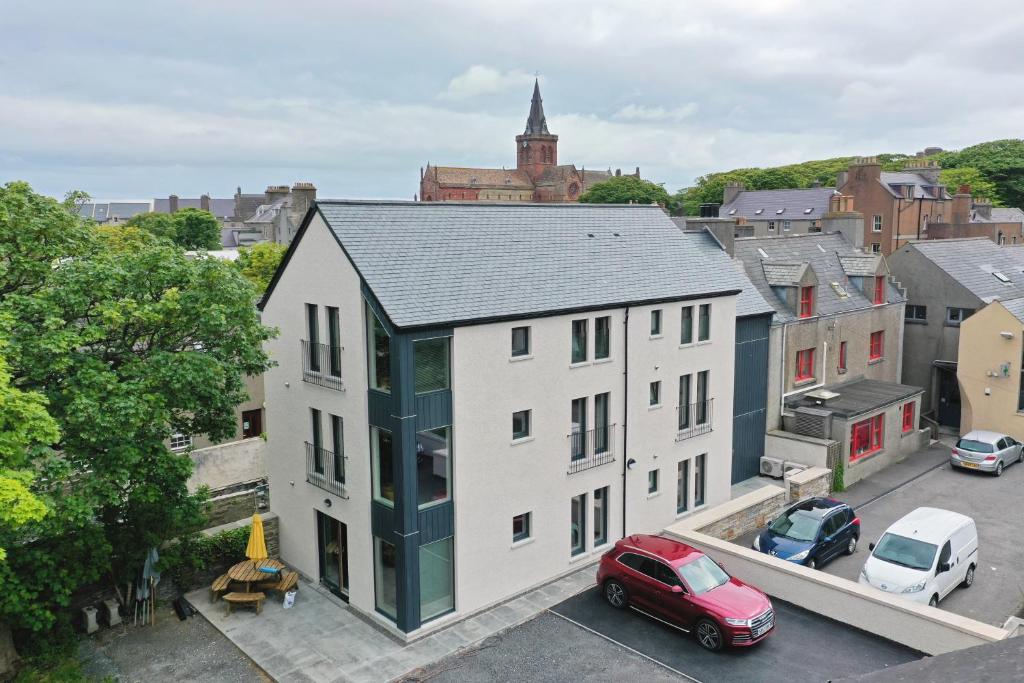
Eday makes a fine day trip by air if you are based among Kirkwall's B&Bs and holiday homes, in the same town as the airport and the ferry pier, but its monuments and moorland reward an overnight stay — and it sits naturally in a longer route of island-hopping around the North Isles. Its neighbour Sanday, with its vast beaches, pairs especially well, and the northernmost stop, North Ronaldsay, rounds off the series.
Where to Stay on Eday
Eday is small and accommodation is limited — book ahead, especially in summer.
- Eday Hostel: the community-run hostel offers simple private rooms, a self-catering kitchen and camping or campervan pitches — the most reliable budget base on the island.
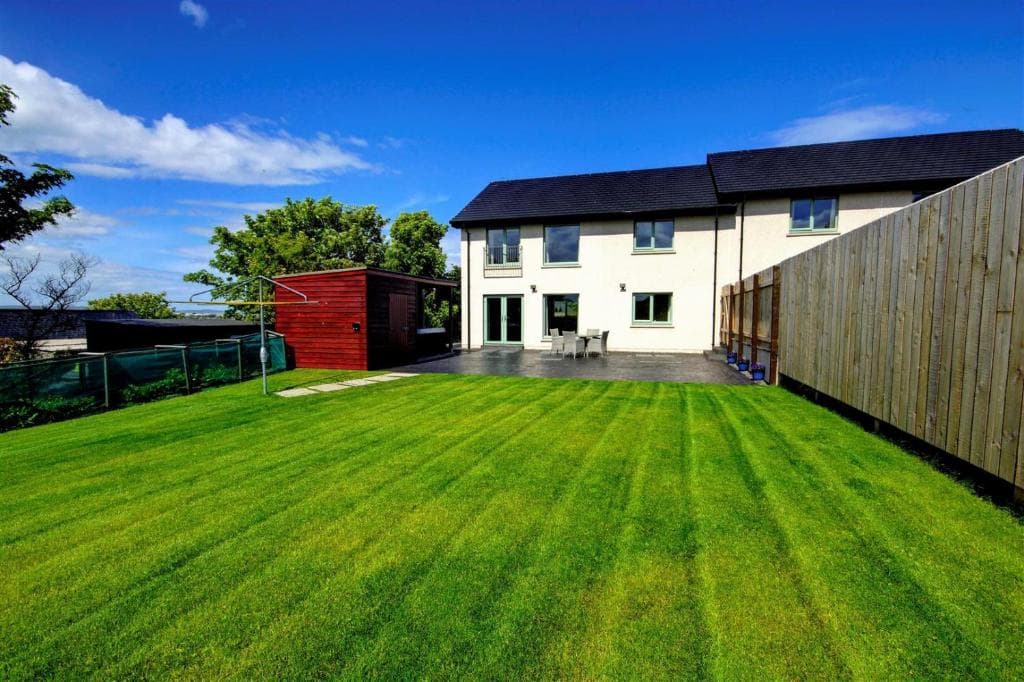
- Self-catering cottages: a small number of crofts and coastal houses let by island owners, ideal for a few quiet days walking and birdwatching.
- Provisions: there is a community shop for essentials but no supermarket or full-time restaurant, so plan to self-cater and bring anything specific you'll need.
Frequently Asked Questions
How tall is the Stone of Setter on Eday?
The Stone of Setter stands about 4.5 metres (15 feet) tall, which makes it the tallest single standing stone in Orkney apart from the Stones of Stenness on the Mainland. It is a weathered slab of red sandstone, deeply split into finger-like sections at the top, and is around five thousand years old.
What is there to see on Eday?
The highlights are the Stone of Setter, the Vinquoy Neolithic chambered cairn (which you can crawl inside), Mill Loch with its breeding red-throated divers, the Vinquoy Hill viewpoint over Calf Sound, Carrick House, and the red sandstone coastal cliffs. The waymarked Eday Heritage Walk links most of them in a single route of around five miles.
What does the name "Eday" mean?
"Eday" comes from the Old Norse eið, meaning "isthmus island." It's an apt name: the island is about 14 kilometres long but narrows to just over 500 metres at its waist, almost pinching into two.
Who was John Gow, and what is his link to Eday?
John Gow was an Orkney-born pirate whose ship, the Revenge, ran aground on the Calf of Eday in 1725. He was captured and held at Carrick House on Eday, then taken to London, tried and hanged. His story later inspired Sir Walter Scott's novel "The Pirate."
How do you get to Eday?
Two ways: a Loganair flight from Kirkwall Airport (about 9 minutes, to the island's "London Airport" airfield) or an Orkney Ferries sailing from Kirkwall to Backaland (roughly 1¼–2 hours, sometimes calling at another isle). The ferry carries vehicles. Both are subsidised; check current fares and sailing times directly before you travel.
When is the best time to visit Eday?
Late spring and summer (May–August) are best: the red-throated divers are breeding on Mill Loch, seabirds line the cliffs, the moorland walking is at its driest, and Loganair runs more frequent flights. Services thin out in winter, so always check live timetables.
Eday rewards the traveller who likes their islands quiet and layered — a towering standing stone, a tomb to crawl into, divers calling across a hill loch, a pirate legend on the rocks offshore, and a single fine walk that ties it all together. It asks for a little effort to reach, and repays it generously.
Hero photo: the Stone of Setter — Beep boop beep / Wikimedia Commons (CC BY-SA 4.0). All location photography on this page is genuine, licensed under Creative Commons; the summary graphic is our own.