Natural Orkney - Orkney Stays

Natural Orkney: Wildlife, Landscapes & Coastal Wonders

Discover guides and stories about Natural Orkney in the Orkney Islands

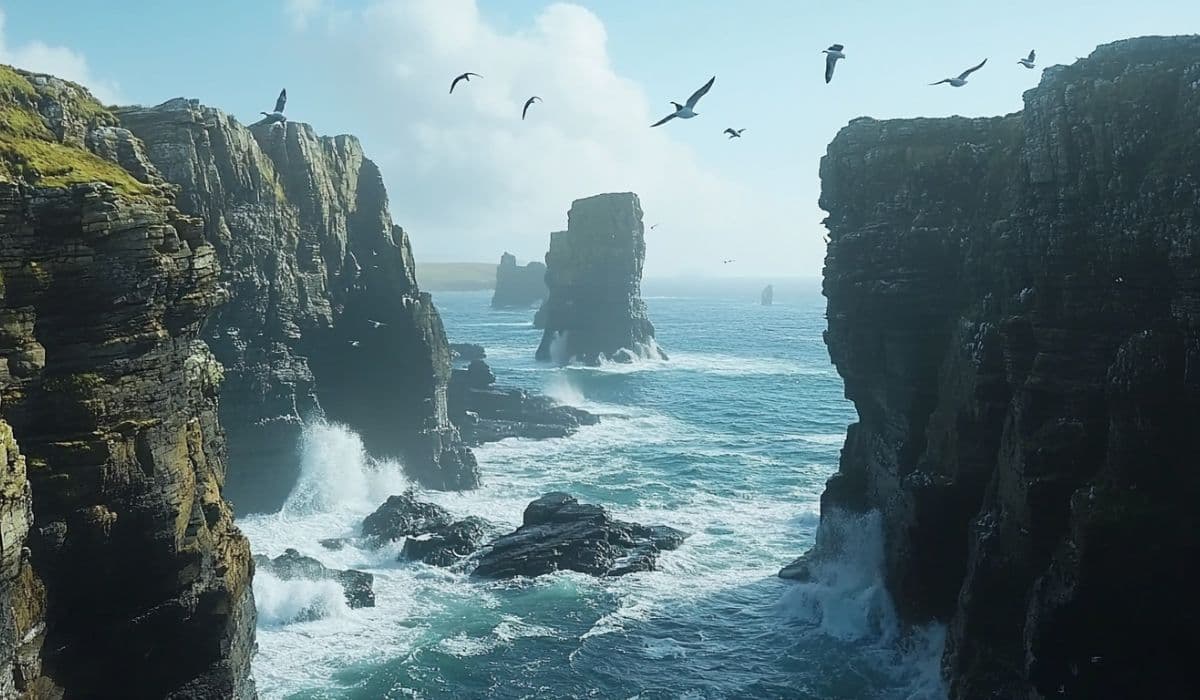
Beyond its ancient stones, Orkney pulsates with wild beauty. Dramatic coastlines carved by the Atlantic, windswept moorlands teeming with unique life, and skies alive with seabirds define the archipelago's natural character. This guide invites you to explore Orkney's stunning landscapes and discover its remarkable wildlife. From spotting puffins on towering cliffs to searching for the endemic Orkney vole, nature enthusiasts will find endless wonders. Learn where to find the best views, encounter fascinating creatures, and understand the forces that shape these incredible islands. Consider combining your nature exploration with some Outdoor Activities like coastal walking.

Latest Articles in Natural Orkney

Orkney Wildflowers: Scottish Primrose, Thrift & Calendar

Orkney Wildflowers: Scottish Primrose, Thrift & Calendar

May 28, 2025

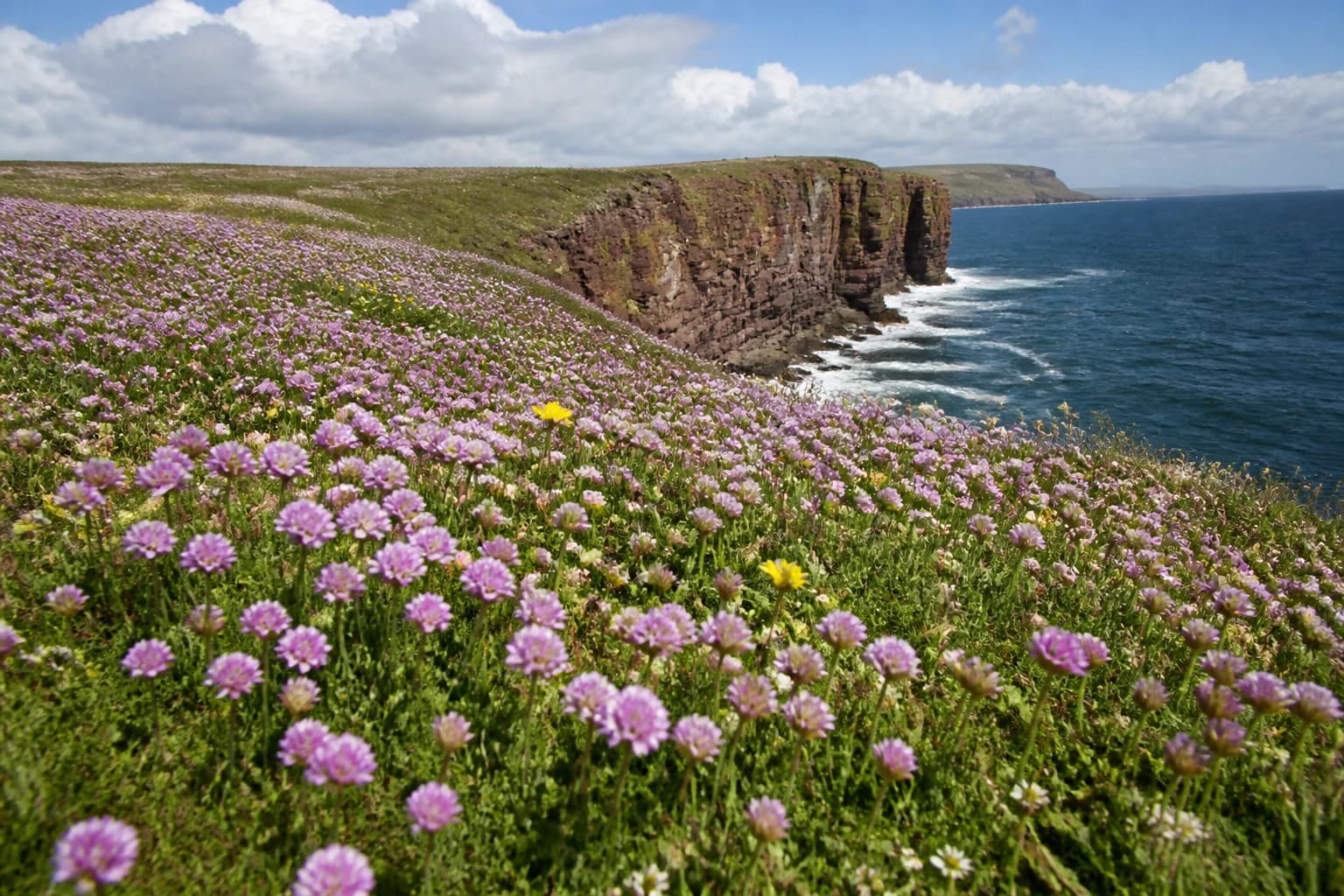
Scottish Primrose grows only in Orkney, Caithness and Sutherland. Plus thrift, spring squill, orchids — a month-by-month guide and the five best spots.
Orkney's Unique Geology: From Ancient Rocks to Glacial Landscapes

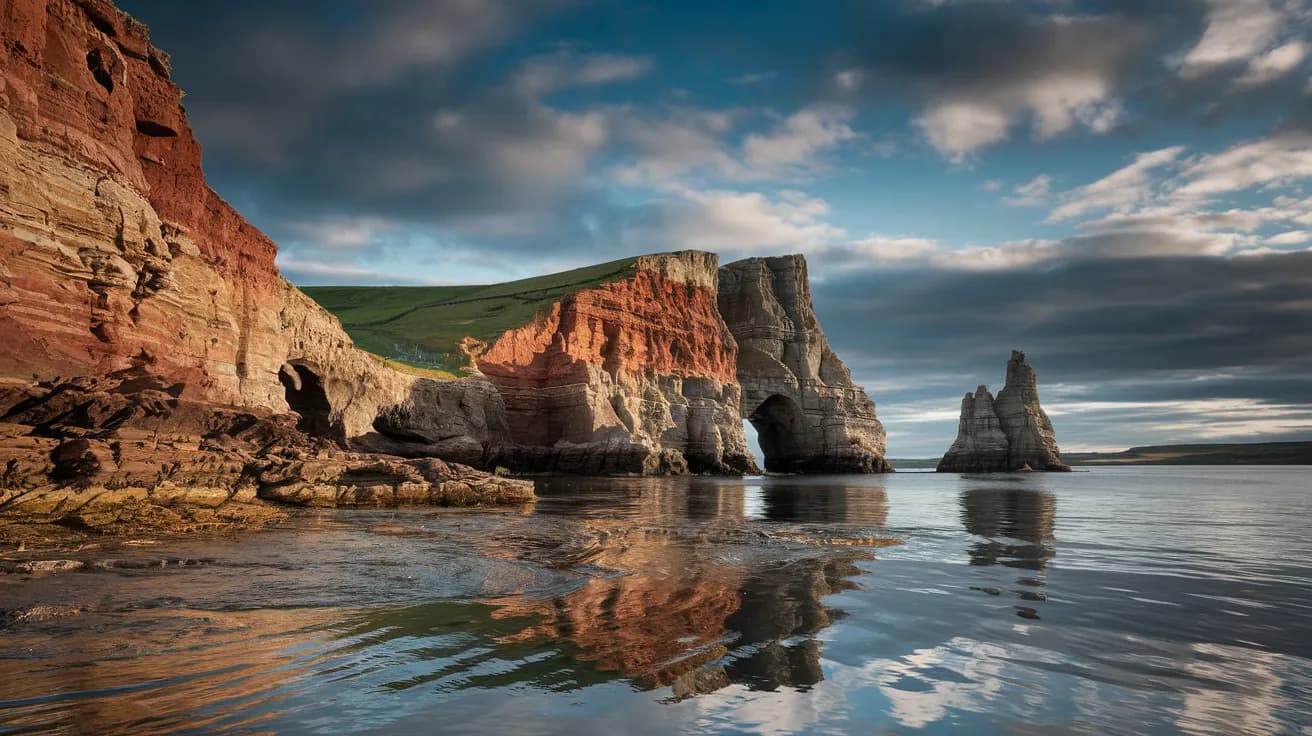
Orkney's Unique Geology: From Ancient Rocks to Glacial Landscapes

May 18, 2025

Explore Orkney's fascinating geology, from ancient Devonian Old Red Sandstone and Lake Orcadie fossils to Ice Age glaciers and dramatic coastal erosion features like the Old Man of Hoy.
Mirrie Dancers: Orkney's Northern Lights & Dark Skies Guide

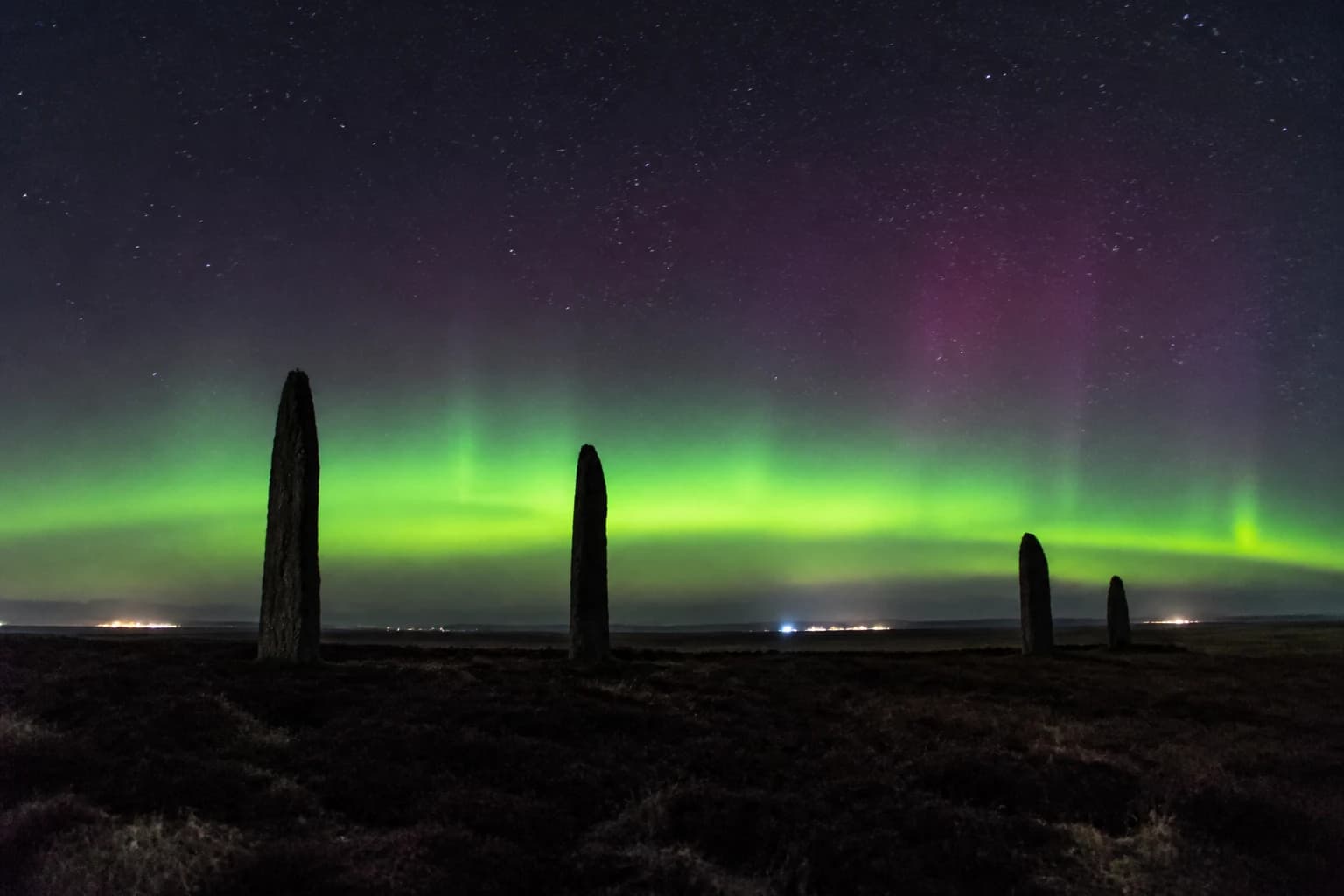
Mirrie Dancers: Orkney's Northern Lights & Dark Skies Guide

May 16, 2025

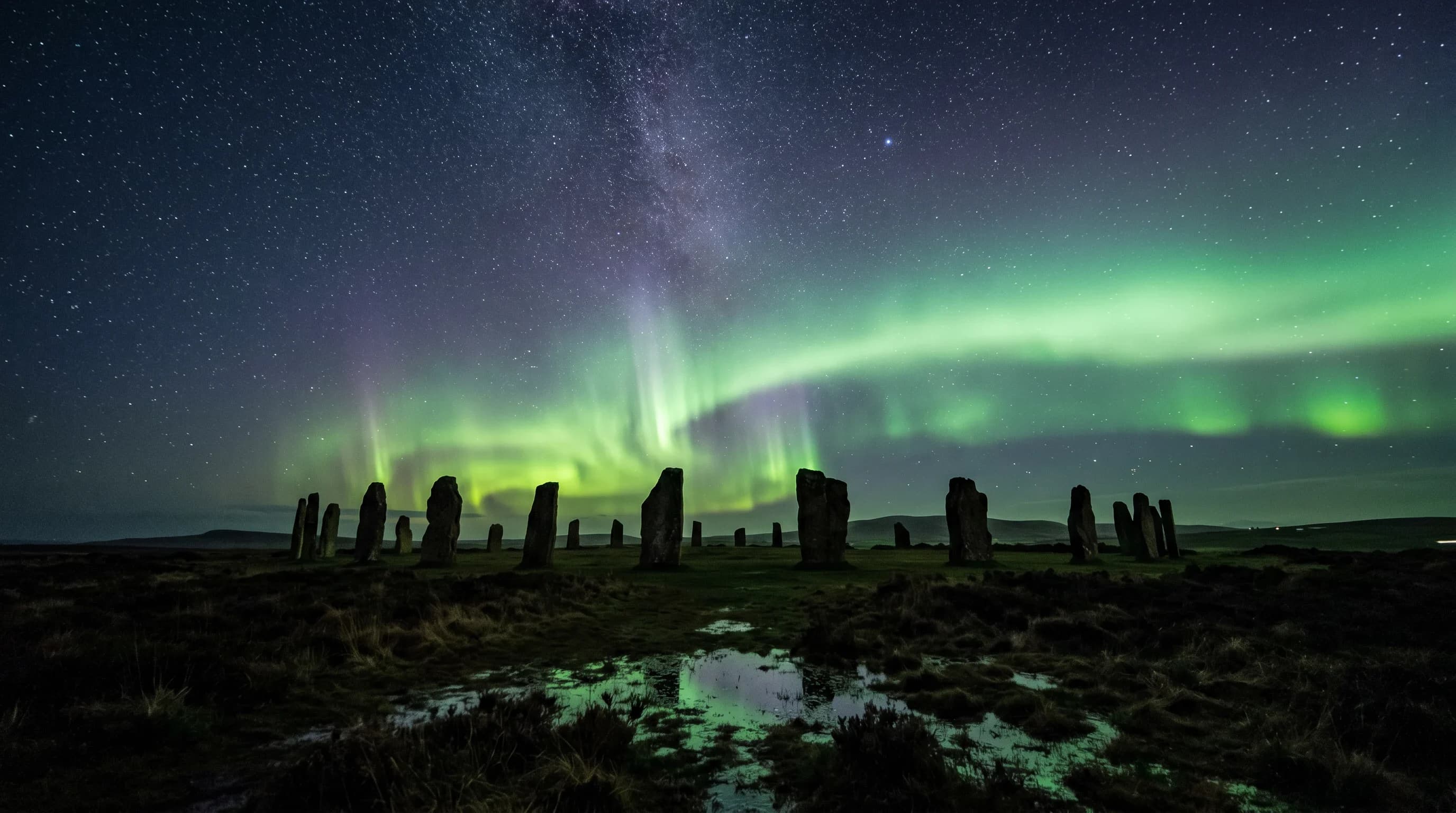
Orkney sits at 59°N — peak Northern Lights latitude. With Solar Cycle 25 at maximum until 2027, here's when and where to see the Mirrie Dancers.
Orkney Marine Life: Seals, Whales, Dolphins & Orcas Guide

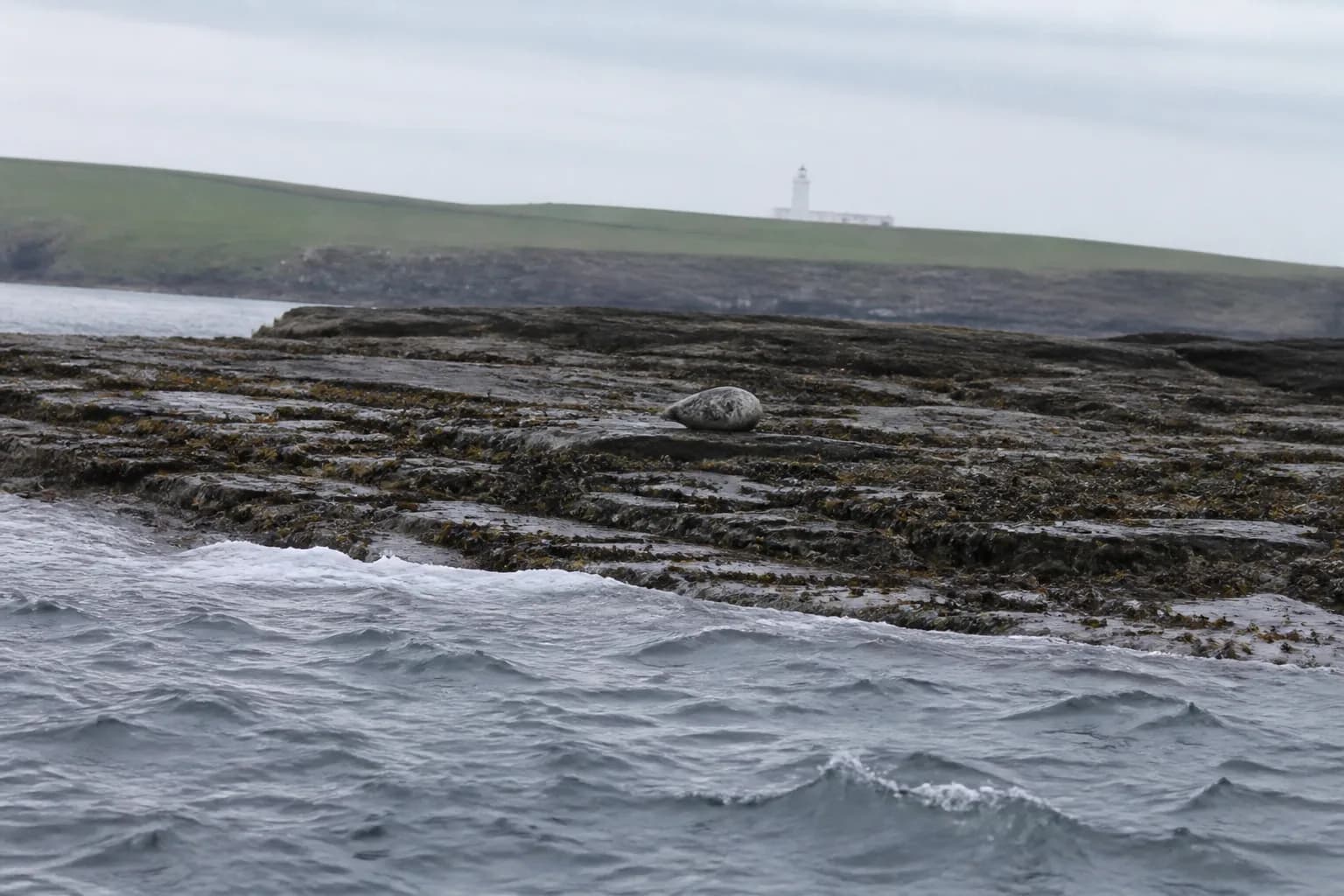
Orkney Marine Life: Seals, Whales, Dolphins & Orcas Guide

May 6, 2025

Where to spot seals, whales, dolphins and orcas in Orkney — month-by-month sighting calendar, ferry tactics, named orca pods, and the marine watching code.
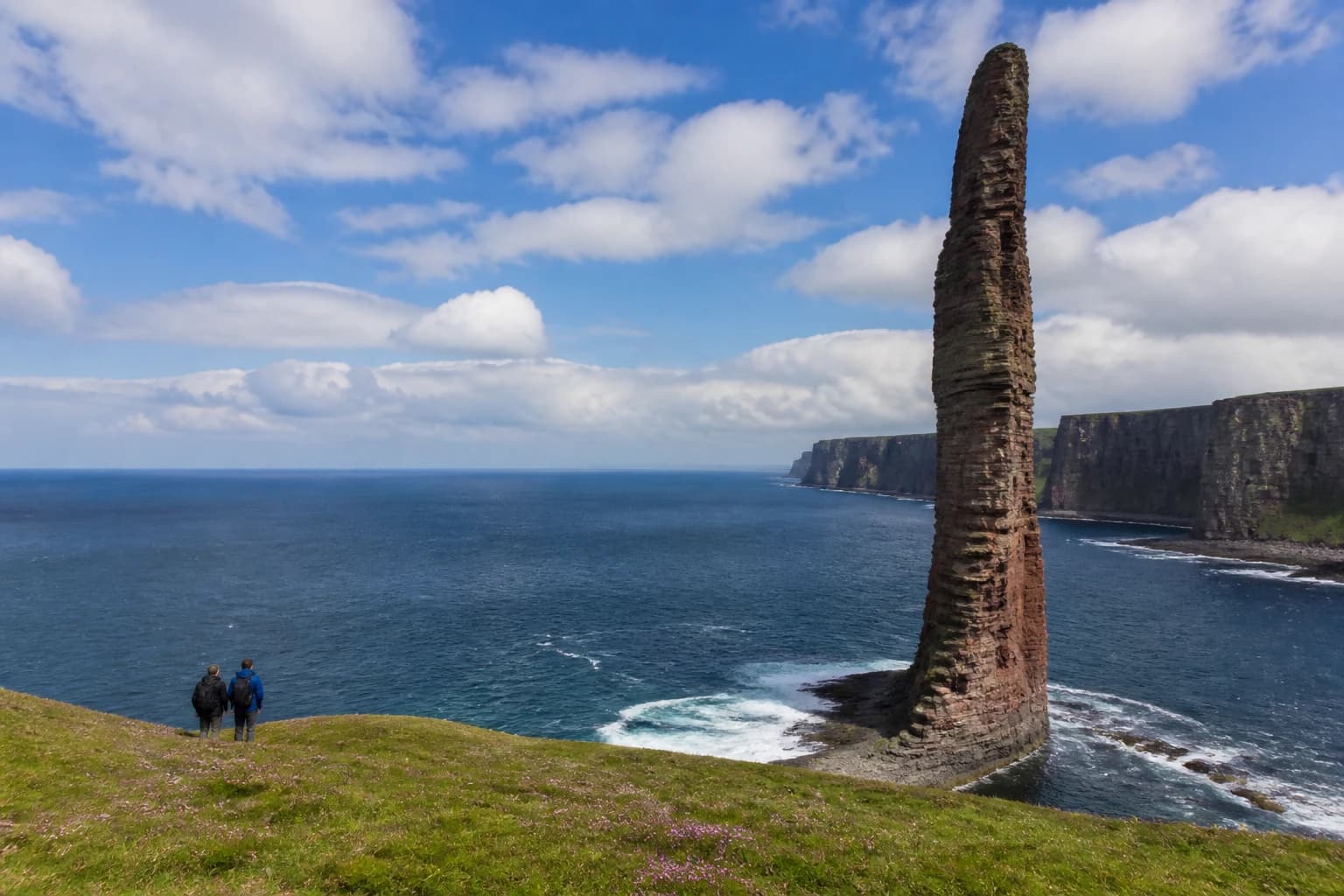
Orkney Sea Cliffs: Old Man of Hoy, St John's Head, Yesnaby

Orkney Sea Cliffs: Old Man of Hoy, St John's Head, Yesnaby

April 29, 2025

Old Man of Hoy 137 m. St John's Head 350 m — among Britain's tallest sea cliffs. Yesnaby, Marwick Head, the Gloup. Heights, geology and walking access.

Sustainable Tourism in Orkney: How to Minimize Your Environmental Impact

Sustainable Tourism in Orkney: How to Minimize Your Environmental Impact

April 26, 2025

Learn how to be a responsible visitor to Orkney. Tips on minimizing environmental impact, respecting wildlife, supporting local businesses, reducing waste, and conserving resources.
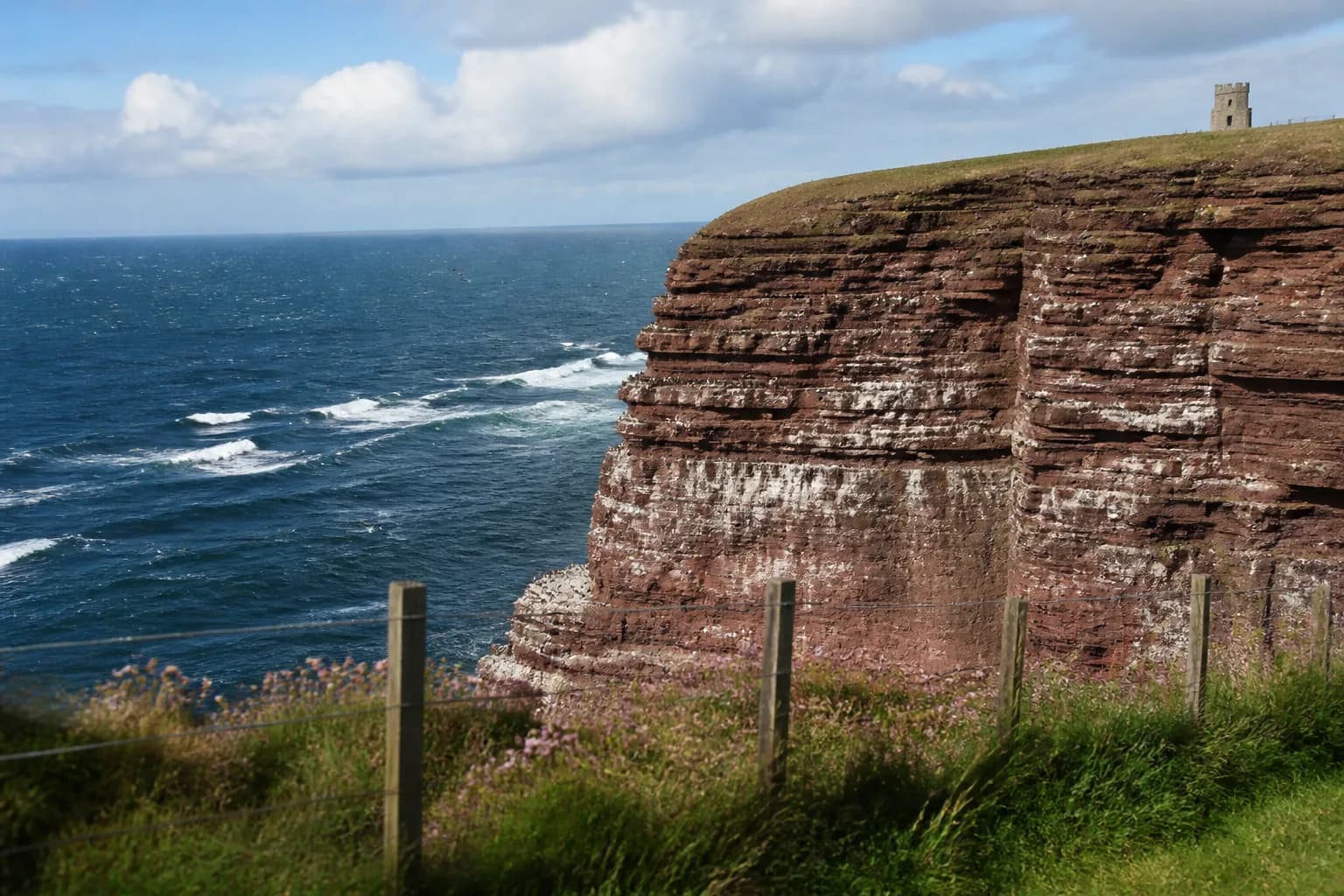
Orkney Birdwatching: When, Where, Which Species (2026)

Orkney Birdwatching: When, Where, Which Species (2026)

April 4, 2025

Orkney birding 2026: 13 RSPB reserves, 2,000+ Arctic Terns on Papa Westray, Castle o' Burrian puffins, hen harriers — verified month-by-month species calendar.

Frequently Asked Questions

What unique wildlife can I see in Orkney?

Orkney is a haven for wildlife rare or absent elsewhere in the UK. Look out for the Orkney vole, a unique subspecies found only here, which is vital prey for birds like hen harriers and short-eared owls. The cliffs host internationally important seabird colonies including puffins, guillemots, kittiwakes, and fulmars. In the surrounding waters, you might spot grey and common seals, harbour porpoises, and occasionally orcas or Risso's dolphins. Don't forget the rich birdlife on the moorlands and wetlands!

Where are the best places for birdwatching?

Orkney is a paradise for birdwatchers! Key RSPB reserves include Marwick Head (seabird city in summer), The Loons and Loch of Banks (for wading birds and wildfowl), and Cottascarth and Rendall Moss (excellent for hen harriers). The cliffs at Yesnaby and Mull Head also offer fantastic seabird viewing. For waders and migrating birds, the various lochs and shorelines across the islands are prime spots. Check our Seasonal Experiences guide for the best times to see specific species like puffins.

Why are there so few trees in Orkney?

Orkney's largely treeless landscape is a result of factors stretching back thousands of years. Ancient inhabitants likely cleared forests for farming and fuel. Crucially, the persistent strong winds sweeping across the islands make it very difficult for trees to establish and grow tall, favouring instead hardy grasses, heather, and low-lying shrubs. While small pockets of woodland exist, like at Berriedale on Hoy, the open vistas are characteristic of Orkney. Find suitable accommodation to base your exploration of these unique landscapes.

What are Orkney's most famous natural landmarks?

The coastline boasts many dramatic features carved from Old Red Sandstone. The most iconic is undoubtedly the Old Man of Hoy, a towering 137-metre sea stack. The cliffs at Yesnaby, with features like Yesnaby Castle sea stack, offer breathtaking views and geological interest. Other notable landmarks include the Brough of Birsay, a tidal island with Pictish and Norse remains, and the vast natural harbour of Scapa Flow, significant both geologically and historically. Exploring these often involves scenic walks detailed in our Outdoor Activities section.