Quick Navigation
- What camping in Orkney is actually like
- Campsites on the Mainland and the linked isles
- Camping on the smaller isles
- Wild camping: what the law actually allows
- When to camp, and when to take a roof instead
- Getting here, and getting around with a tent
- Camping in Orkney: common questions
- Can you camp anywhere in Orkney?
- Is it legal to wild camp anywhere in Scotland?
- Are there any campsites near the beach in Orkney?
- Is it possible to visit Orkney in a campervan?
- What are some good campsites for motorhomes on Orkney?
- Do you need to book an Orkney campsite in advance?
- Sources and further reading
Camping in Orkney is not the Highlands with a sea view. There are almost no trees to tuck a tent behind, very few midges, and an enormous amount of daylight in June. There is also wind, most days, and it is the one thing that decides whether a trip is memorable or miserable. This guide covers the campsites worth knowing about, what Scottish access law actually allows if you want to pitch away from them, and the season and ferry details worth having before you book.
What camping in Orkney is actually like
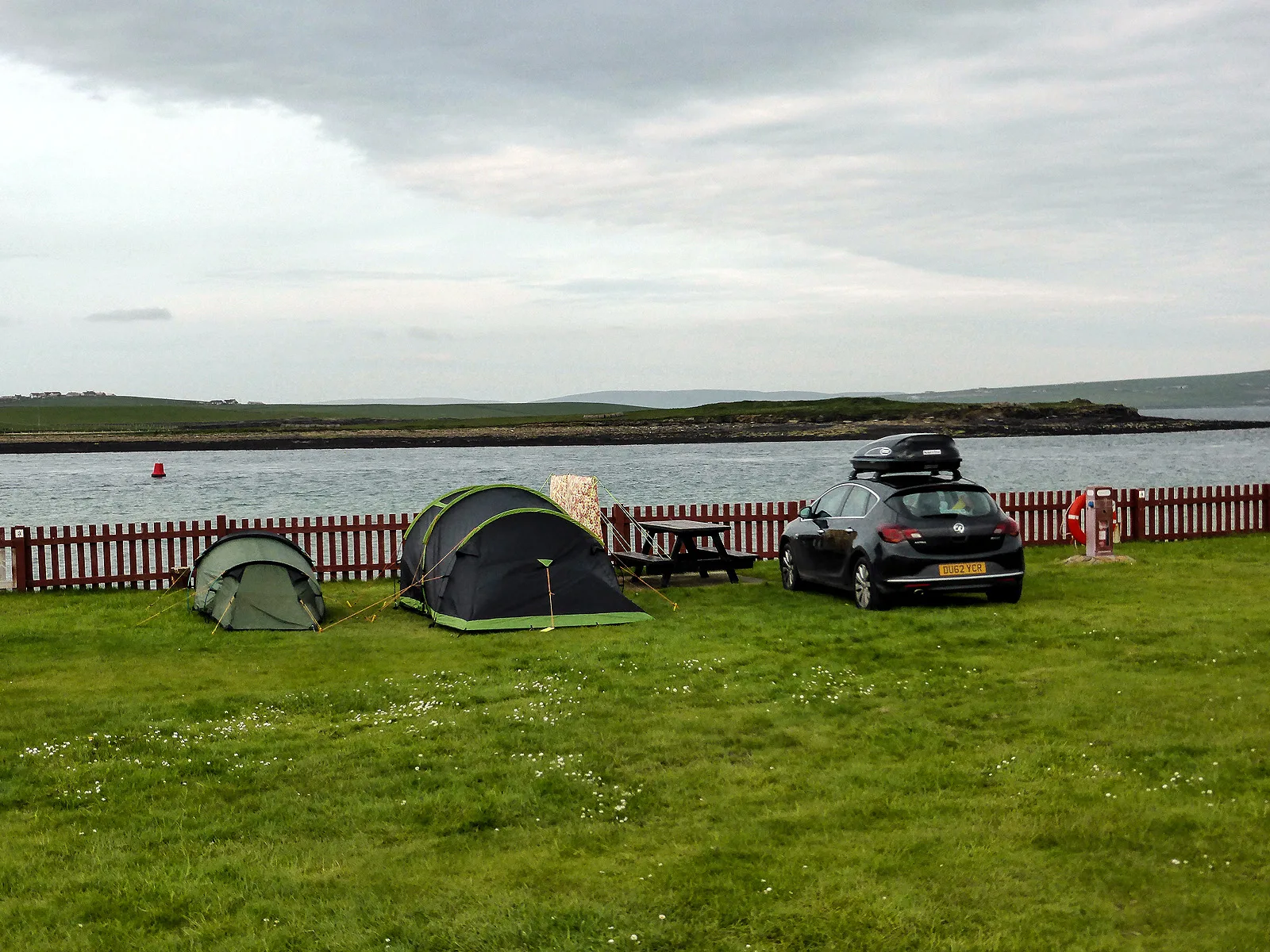
Start with the wind, because everything else follows from it. Orkney is open, low and largely treeless, and a pitch that looks idyllic on a still evening becomes a tent-flattening exercise when the weather turns. Orkney's own tourist board puts it plainly: this is a place where you can expect four seasons in a single day. Pack pegs you trust rather than the ones that came in the bag, and pick a sheltered corner of a site over the one with the best view.
The compensation is real, though. There is essentially no biting-insect problem. As orkney.com's own wildlife guide puts it, the midge "does make an appearance in Orkney, especially in places with extensive moorland, but the all-too-common Orcadian breeze often keeps them at bay". Anyone who has camped on the west coast of Scotland in July will understand what a difference that makes.
If you want a month-by-month read on what to expect before you commit, our Orkney weather and packing guide goes through the seasons in more detail, including what actually needs to be in the bag.
Campsites on the Mainland and the linked isles
The Orkney Mainland and the islands joined to it by road carry a small, well-spread set of sites. Between them they cover both ferry towns, the west and the south, which is enough to base a whole trip around without long drives.
| Campsite | Where | Size and facilities | Season |
|---|---|---|---|
| Orkney Caravan Park at the Pickaquoy Centre | Peerie Sea Loan, Kirkwall | Caravan, motorhome and tent pitches plus camping pods, attached to the Pickaquoy leisure centre; electric bike hire on site | 1 March to 31 October |
| Kirkwall Bay Touring Park | Carness Road, on Kirkwall Bay | 27 hardstanding pitches, all with electric hook-up, showers, laundry and a motorhome service point. No tents permitted | May to September |
| Point of Ness | Stromness, by the shore | 49 pitches, 36 of them with electric hook-up, grass and hardstanding, minutes from the ferry terminal | 1 April to 31 October |
| Birsay Campsite | Just outside Birsay, west Mainland | 28 pitches on a firm, grassy, level site; tents, caravans and motorhomes | April to September |
| Wheems Organic Farm | South Ronaldsay, linked by road | Up to 20 pitches for tents and campervans on a working organic farm, with pods, a yurt and shepherd's huts alongside | Listed as open all year |
| Deerness Community Centre | East Mainland | Hardstanding and electric hook-up for four motorhomes, with showers and toilets. No waste disposal on site | Contact the centre |
One detail catches people out: Kirkwall Bay Touring Park takes motorhomes, caravans and campervans only, and its own listing states plainly that no tents are permitted. Turning up there with a tent means a drive back across town to the Pickaquoy.
Seasons above were read from each site's own listing in September 2026. Dates move, so confirm directly before you travel, and note orkney.com's warning that "not all local campsites are open all-year-round, and during peak season you can expect many pitches to be reserved well in advance".
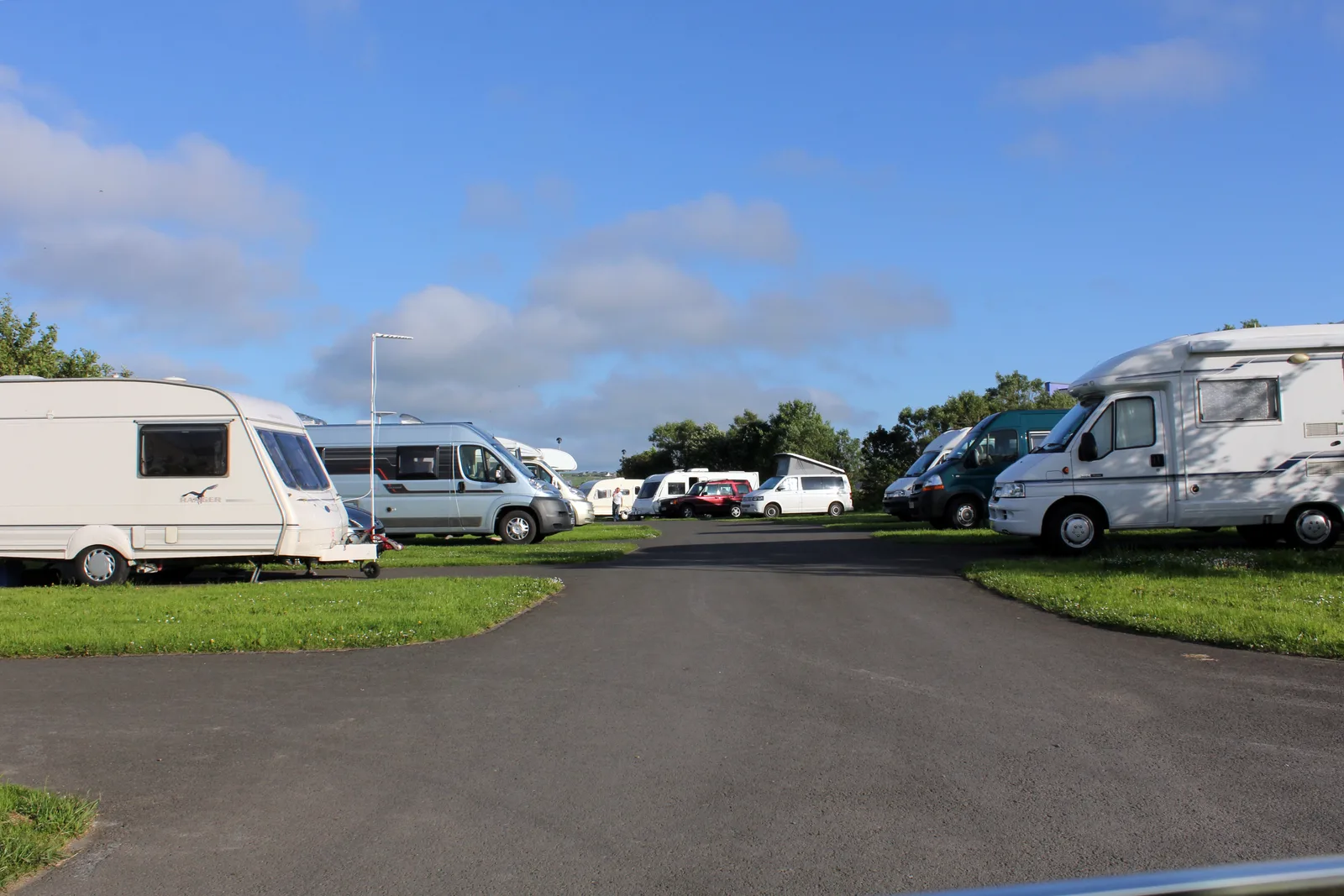
Point of Ness is the one most people picture, and for good reason: the pitches sit on the grass above the shore at the mouth of Stromness harbour, with Hoy filling the horizon. It is also the one with the well-known access trap. Orkney's tourist board notes that many sat-navs send drivers arriving with NorthLink at Stromness left through the narrow streets of the town to reach it. Ignore that and follow the signed route round instead, particularly with a caravan.
Planning your trip
Staying overnight? Compare live prices and availability across Orkney on Booking.com.
Compare Orkney staysWe earn a small commission if you book through this link, at no extra cost to you.
Camping on the smaller isles
Orkney Ferries runs inter-island services between the Mainland and, in the operator's own words, thirteen beautiful island destinations. Two of those islands keep a small campsite attached to their community hostel, and both are the kind of place where a handful of pitches is the entire supply.
- Eday Community Hostel has a campsite with pitches for up to four tents and two motorhomes or campervans with electric hook-up, plus wastewater disposal, a fresh water tap, and rubbish and recycling facilities.
- Trumland Farm, Rousay has five pitches for tents and motorhomes, with shower, kitchen and laundry facilities.
On the outer isles the campsite is often part of the hostel, the shop shuts early, and the last ferry is the last ferry. Plan the day around the sailing, not the other way round.
Take food with you. Island shops are small and keep short hours, and there is no guarantee of a hot meal after the ferry lands. Chemical waste disposal points are a bright spot for van travellers: orkney.com confirms these are available at official campsites and caravan parks across Orkney, even if you are not staying at them.
Wild camping: what the law actually allows
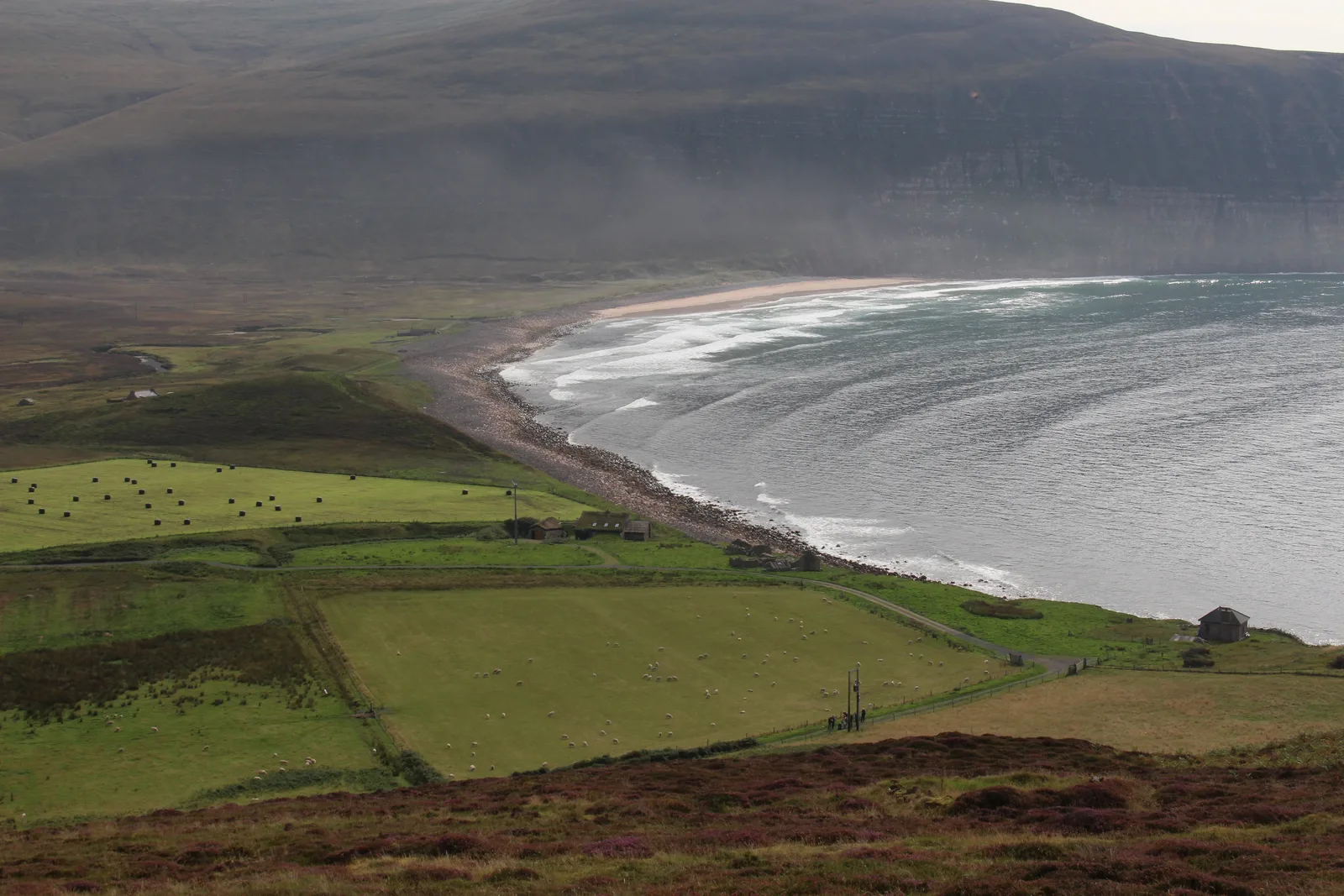
Scotland's access rights do extend to camping, and Orkney is no exception. The Scottish Outdoor Access Code is explicit that you can enjoy the outdoors on most land if you act responsibly, and that this "includes lightweight camping in a tent, in small numbers and for no more than two or three nights in one place". Those three conditions are the whole of it: lightweight, few, brief.
Two things are worth being clear about. The seasonal camping byelaws people have read about, which restrict camping in certain areas to campsites or permit holders, apply in Loch Lomond and The Trossachs National Park. They are a National Park measure rather than a nationwide one. And the Code's camping guidance is written around tents, so where you leave a campervan overnight is a parking question instead; the Code asks you to check what parking is available before you set off.
The responsibilities matter more here than the permissions. Camp well away from buildings and roads, use small tents, and carry a stove. The Code asks campers not to light an open fire, including in fire bowls and barbecues, during times of high fire risk or near forests, farmland, peaty ground, buildings or historic sites. In Orkney that last clause covers a great deal of ground, because the historic sites are everywhere and much of the moorland is peat.
When to camp, and when to take a roof instead
The camping season here is genuinely short. Most sites open somewhere between March and April and close in September or October, which leaves a narrow window, and the best of it is not the warmest part.
May and June are the sweet spot. The days are enormous, the seabird cliffs are full, and the sites have not yet filled. July and August bring the crowds and the cruise ships without bringing much extra warmth. September can be glorious and can also be the month the first real gales arrive.
There is no shame in having a backup. Plenty of people travel with a tent and book something solid for the two nights the forecast looks ugly. Heated pods are the obvious middle ground, and our guide to glamping pods and camping pods across Orkney covers which ones take short stays. For a longer stretch indoors, the range of places to stay across the Orkney Islands includes small self-catering places that will take a few nights outside high summer.
Getting here, and getting around with a tent
Both ferry operators serving Orkney carry motorhomes and caravans, and orkney.com's advice for booking is worth following: know the height and overall length of your vehicle and anything you are towing, and book early for summer sailings so deck space is reserved.
Arriving without a vehicle is workable but takes planning. Point of Ness is described by its own listing as a few minutes' walk from the town centre and the ferry terminal, so a foot passenger stepping off at Stromness can reach it with a rucksack and no lift. Anything further out needs the bus timetable in hand. If hiring a van appeals more than pitching, our guide to campervan and motorhome hire in Orkney covers the local operators and the ferry side of it.
Camping in Orkney: common questions
Can you camp anywhere in Orkney?
Not quite anywhere. Scottish access rights allow lightweight tent camping on most unenclosed land, but not in fields of crops or livestock, not in gardens, and not close to houses. Campsites remain the simplest option, and in summer the busiest.
Is it legal to wild camp anywhere in Scotland?
Wild camping is legal under the Scottish Outdoor Access Code almost everywhere access rights apply. The exception is Loch Lomond and The Trossachs National Park, where seasonal byelaws restrict camping in certain areas to campsites or permit holders.
Are there any campsites near the beach in Orkney?
Yes. Point of Ness sits on the shore at the mouth of Stromness harbour, and Wheems Organic Farm on South Ronaldsay is a short walk from the coast. Both are exposed, so pick your pitch with the wind direction in mind.
Is it possible to visit Orkney in a campervan?
Very much so. Both ferry routes carry campervans and motorhomes, several sites offer hardstanding and electric hook-up, and chemical waste disposal points are available at official campsites across Orkney even if you are not staying at them.
What are some good campsites for motorhomes on Orkney?
Kirkwall Bay Touring Park has 27 hardstanding pitches, all with electric hook-up and a motorhome service point. Orkney Caravan Park sits beside the Pickaquoy Centre, Point of Ness has 36 hook-up pitches, and Deerness Community Centre takes four vans.
Do you need to book an Orkney campsite in advance?
In July and August, yes. Orkney's tourist board warns that many pitches are reserved well in advance during peak season, and the island sites have only a handful of pitches each. Outside summer it is usually easier to turn up.
Sources and further reading
- Camping — Scottish Outdoor Access Code, NatureScot. Access rights, the two-or-three-nights rule, fires and the Loch Lomond byelaws.
- Motorhomes, caravans and camping — Orkney.com. Booking in peak season, the Stromness sat-nav warning, waste disposal, Eday and Rousay.
- Point of Ness Campsite, Birsay Campsite and Kirkwall Bay Touring Park — Orkney.com listings. Pitch counts, hook-ups, seasons and the no-tents rule.
- Orkney Caravan Park — the park's own site. Season dates and location.
- Wheems Organic Farm & Campsite — Orkney.com listing. Pitch numbers and what else is on the farm.
- Orkney Ferries — the inter-island network and its thirteen island destinations.
- Flora & Fauna — Orkney.com, on midges and the Orcadian breeze.
Campsite seasons and facilities were checked against these sources on 20 September 2026. Opening dates change from year to year, so confirm with the site before you travel.