Quick Navigation
- Where is Stronsay?
- The Island of Bays — Three Beaches, Endless Shore
- The Vat of Kirbister — Orkney's Finest Sea Arch
- Whitehall and the Great Herring Boom
- Seals, Seabirds and the Stronsay Beast
- Getting to Stronsay
- Where to Stay on Stronsay
- Frequently Asked Questions
- Why is Stronsay called the Island of Bays?
- What is the Vat of Kirbister?
- What was the Stronsay Beast?
- How do you get to Stronsay?
- When is the best time to visit Stronsay?
- Is there anywhere to stay on Stronsay?
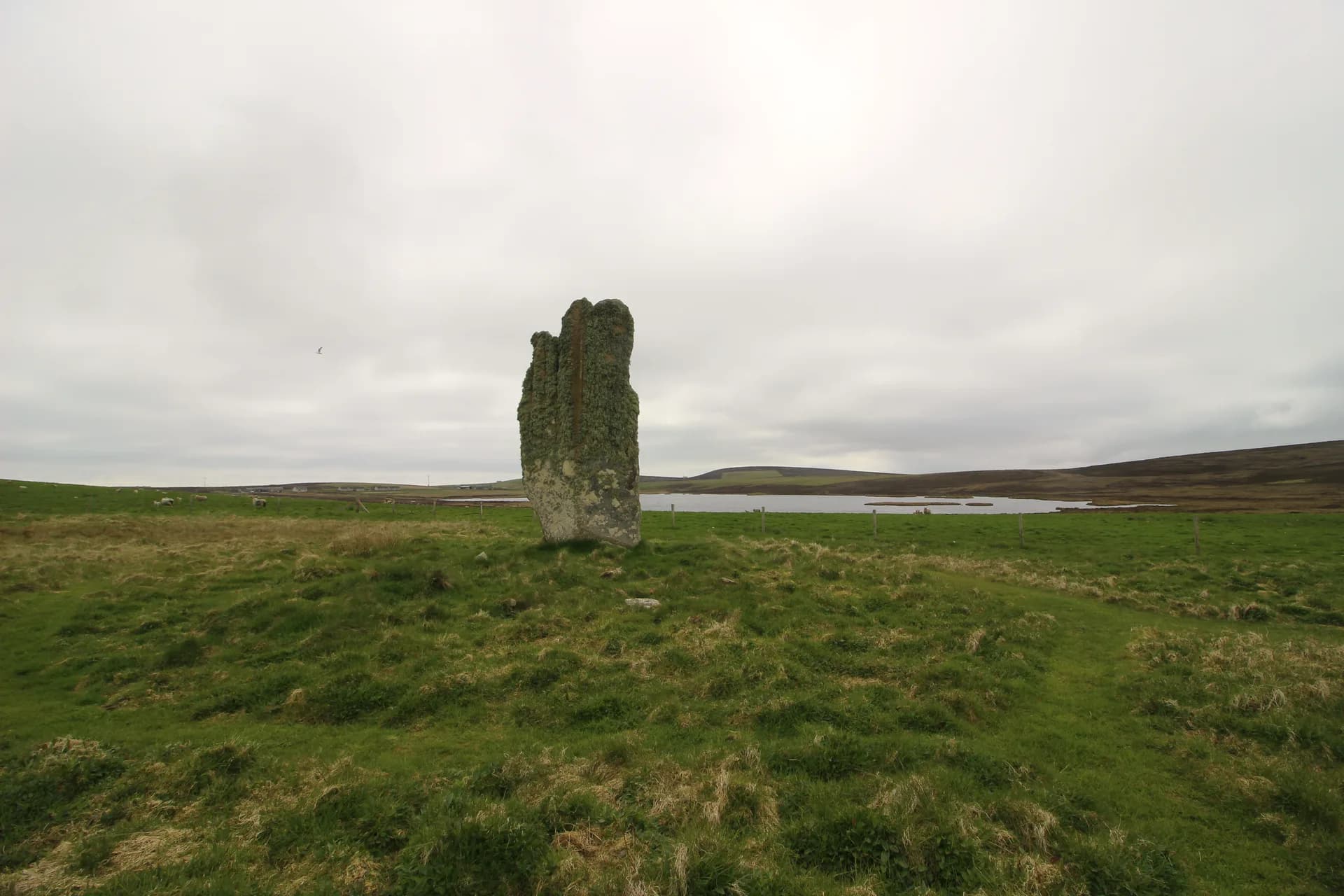
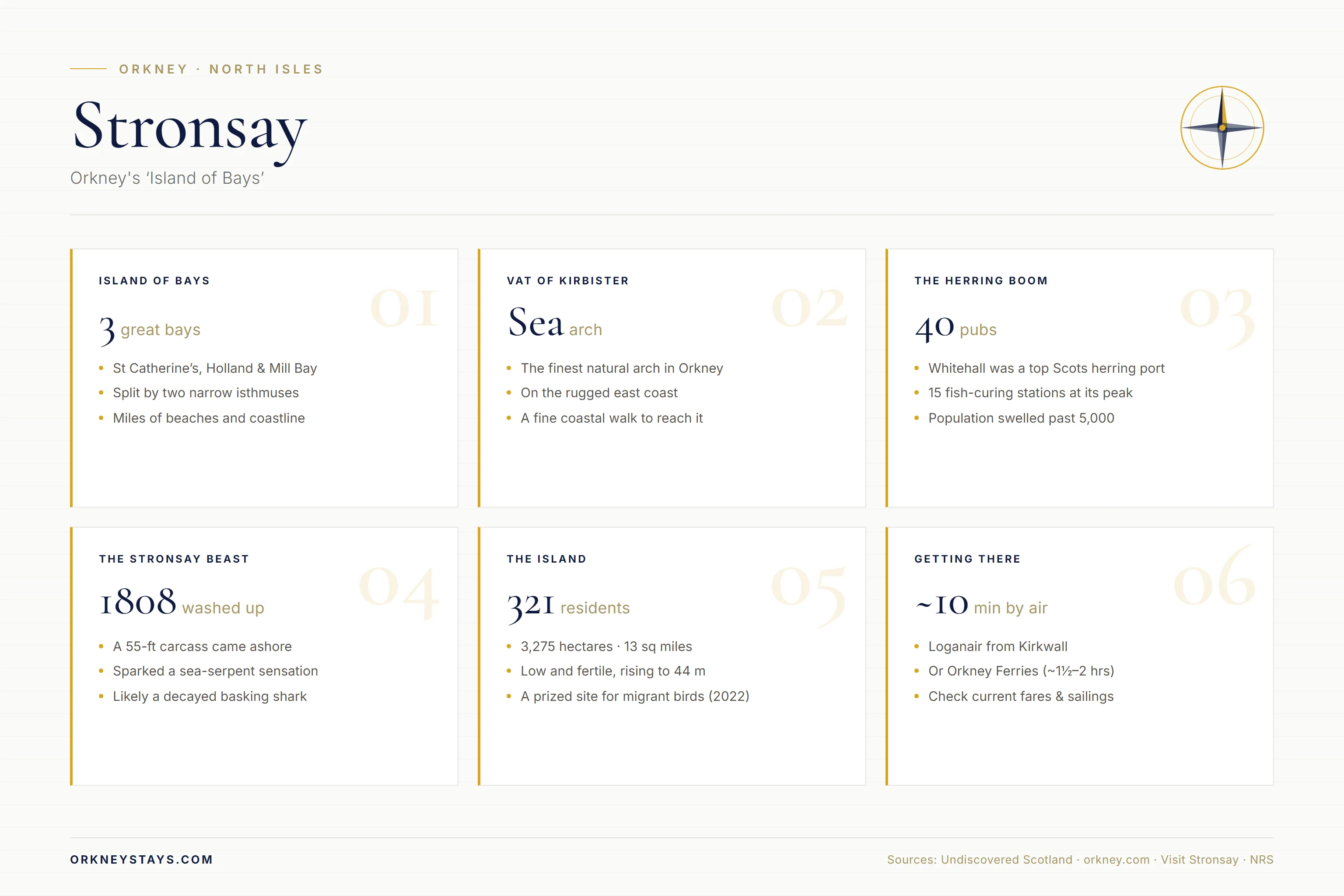
Stronsay is the green, low-lying heart of Orkney's North Isles — an island so deeply indented by the sea that it earned a perfect nickname: the Island of Bays. Three broad bays bite into its coast, fringed by some of the finest white-shell beaches in Orkney and joined by narrow necks of farmland. It hides Orkney's most spectacular sea arch, a fishing past that once made it one of Scotland's great herring ports, and a famous monster washed up on its shore. Quiet today and easy to reach, it's one of the most rewarding day trips — or slow weeks — in the islands. This is the full 2026 guide.
Where is Stronsay?
Stronsay lies in the eastern group of Orkney's North Isles, roughly twenty-five miles north-east of Kirkwall and a short hop from its neighbours Eday and Sanday. It is large by North Isles standards — 3,275 hectares (13 square miles) — yet remarkably low and gentle, rising to just 44 metres at its highest point, so the whole island feels open to the sky and the sea. The 2022 census recorded 321 residents, a fraction of the thousands who once crowded its herring station but a steady, friendly community today, centred on the harbour village of Whitehall. Its shape is its signature: so many inlets and bays that no part of the island is far from a beach.
The Island of Bays — Three Beaches, Endless Shore
Stronsay's nickname is earned the moment you look at a map. Three great bays — St Catherine's Bay to the west, the Bay of Holland to the south and Mill Bay to the east — cut so deeply into the island that they are separated only by two narrow isthmuses of farmland. The result is a coastline far longer than the island's size suggests, and a string of clean, pale, almost always empty beaches.
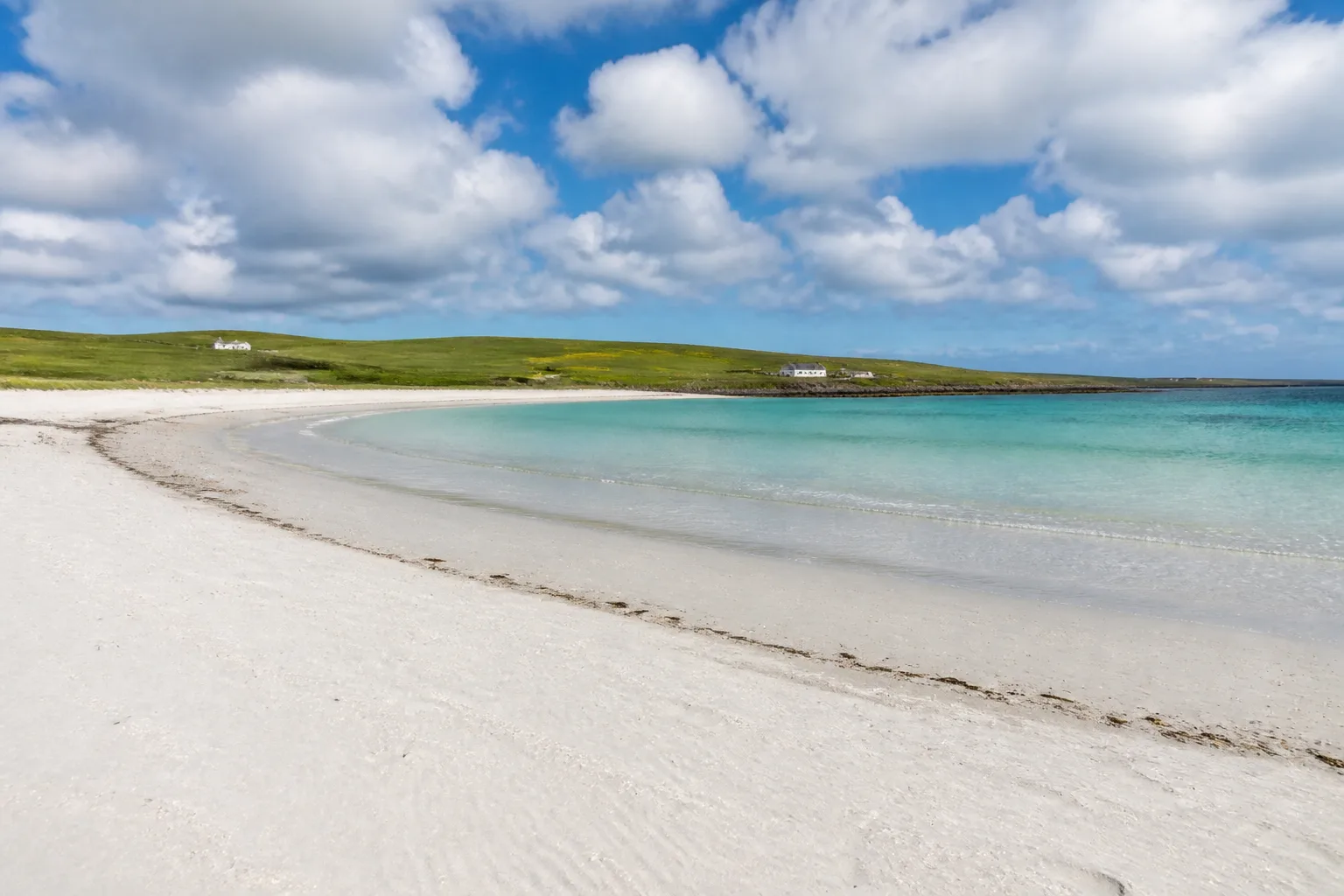
These are beaches for walking, beachcombing and quiet swimming rather than crowds. The dunes behind them shelter wildflowers and ground-nesting birds in summer, and the sheltered water of the bays makes them some of the calmest swimming spots in the islands on a still day. Bring a flask, expect to have the sand to yourself, and watch for seals following you along the shoreline.
Planning your trip
Staying overnight? Compare live prices and availability across Orkney on Booking.com.
Compare Orkney staysWe earn a small commission if you book through this link, at no extra cost to you.
The Vat of Kirbister — Orkney's Finest Sea Arch
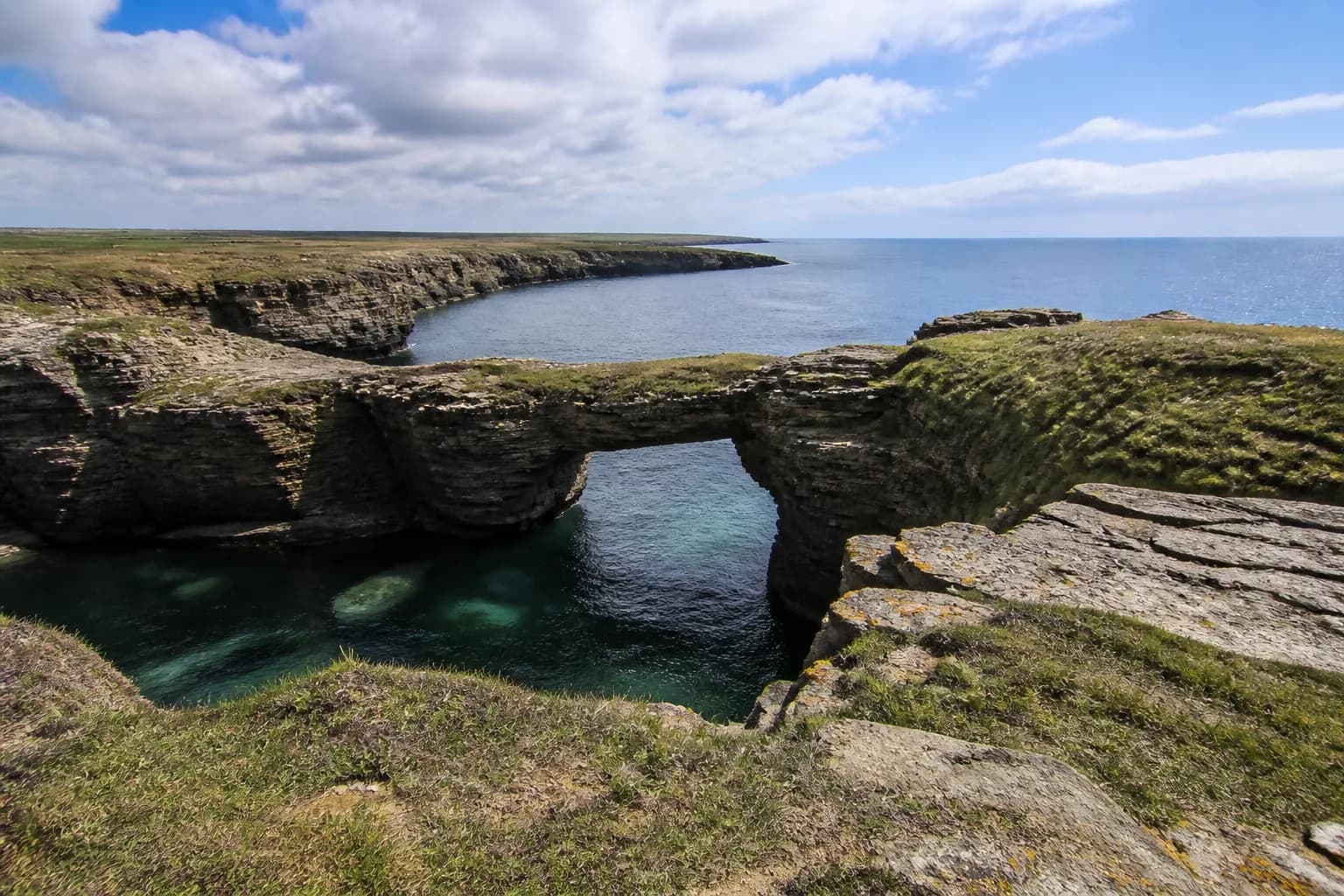
For all its gentle bays, Stronsay's east coast turns suddenly dramatic at the Vat of Kirbister — a great natural rock arch spanning a collapsed sea cave, widely described as the finest natural arch in Orkney. The sea surges in beneath a broad span of weathered sandstone to fill a deep, clear-water "gloup" (a Norse word for a flooded blowhole). It is the island's signature sight, and the walk out to it along the low cliffs is a highlight in its own right.
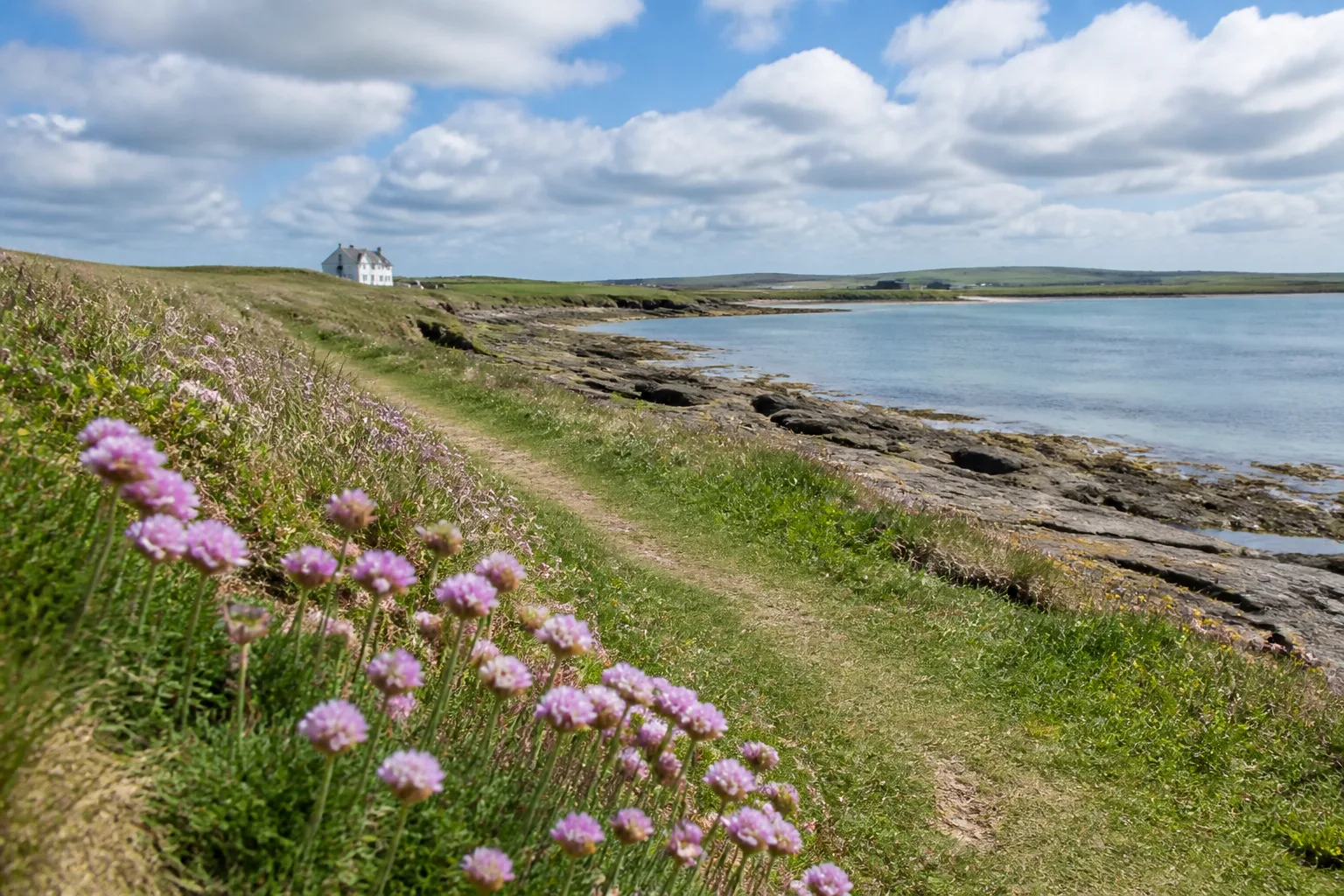
- Getting there: a marked walk leads from the road end across grazing land to the clifftop above the arch. Wear sturdy footwear and keep well back from the unfenced edge — the drop into the Vat is sheer.
- Best light: a bright day with the tide working through the arch shows the clear green water at its best.
- Combine with: the wider east-coast cliffs, which hold nesting seabirds in early summer and are excellent for spotting seals on the rocks below.
Whitehall and the Great Herring Boom
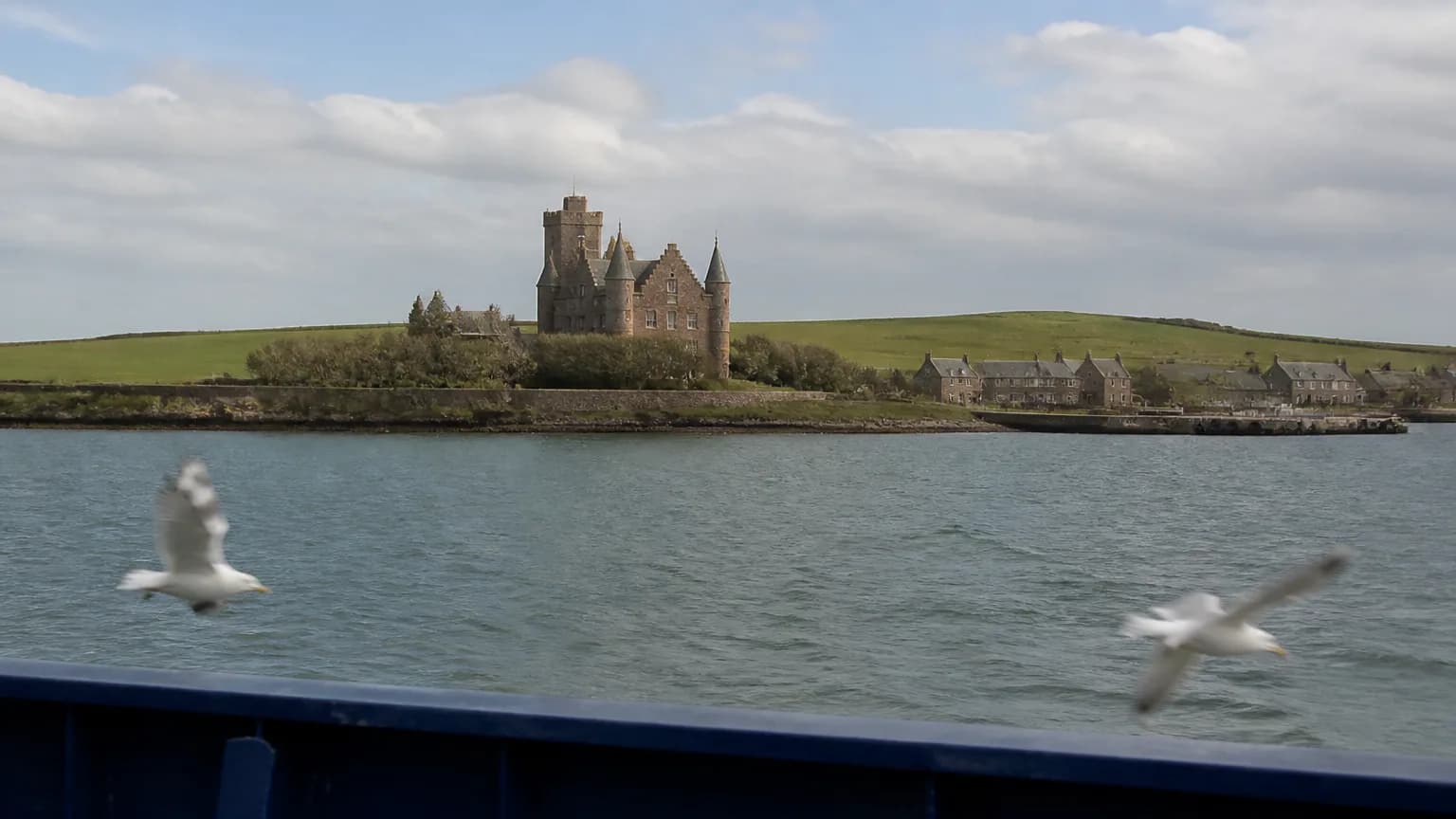
It is hard to believe, standing on the quiet harbour front today, that Whitehall was once one of the busiest herring ports in Scotland. Through the late 19th century and up to the First World War, the "silver darlings" drew a vast seasonal fleet to Stronsay. At its peak the village supported 15 fish-curing stations and, famously, no fewer than 40 pubs, along with bakeries, butchers, ice-cream parlours and a cinema.
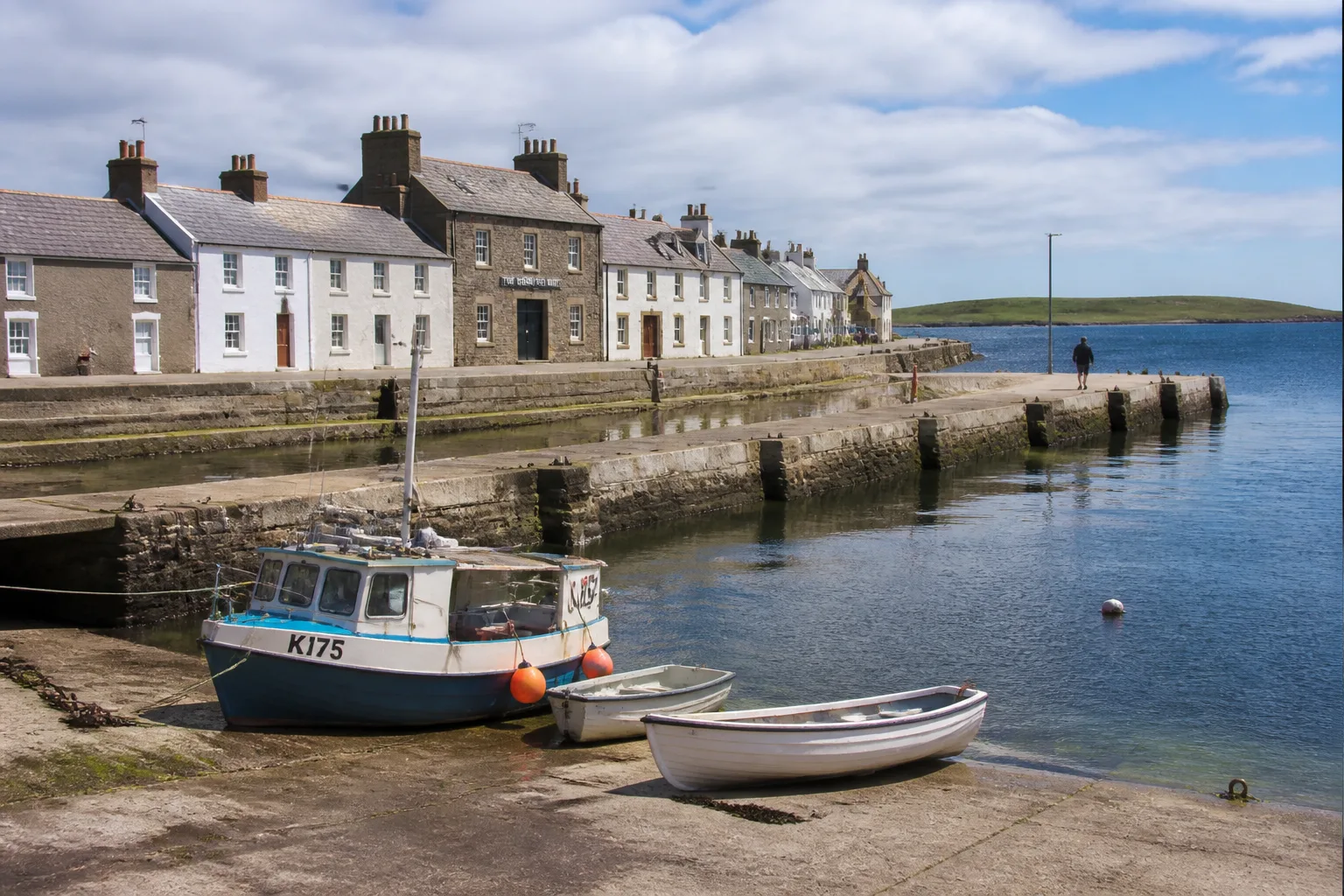
During the few weeks of the season the island's population, normally around 1,200 at the time, would swell to over 5,000 — gutters, packers, coopers and crews from all over. Local lore holds that the boats queued so thickly you could walk across their decks from Whitehall to the neighbouring isle of Papa Stronsay without wetting your feet. The old Fish Mart on the pier tells the story today as a small heritage centre and café. It's a vivid reminder that these quiet islands were once humming centres of industry.
Seals, Seabirds and the Stronsay Beast
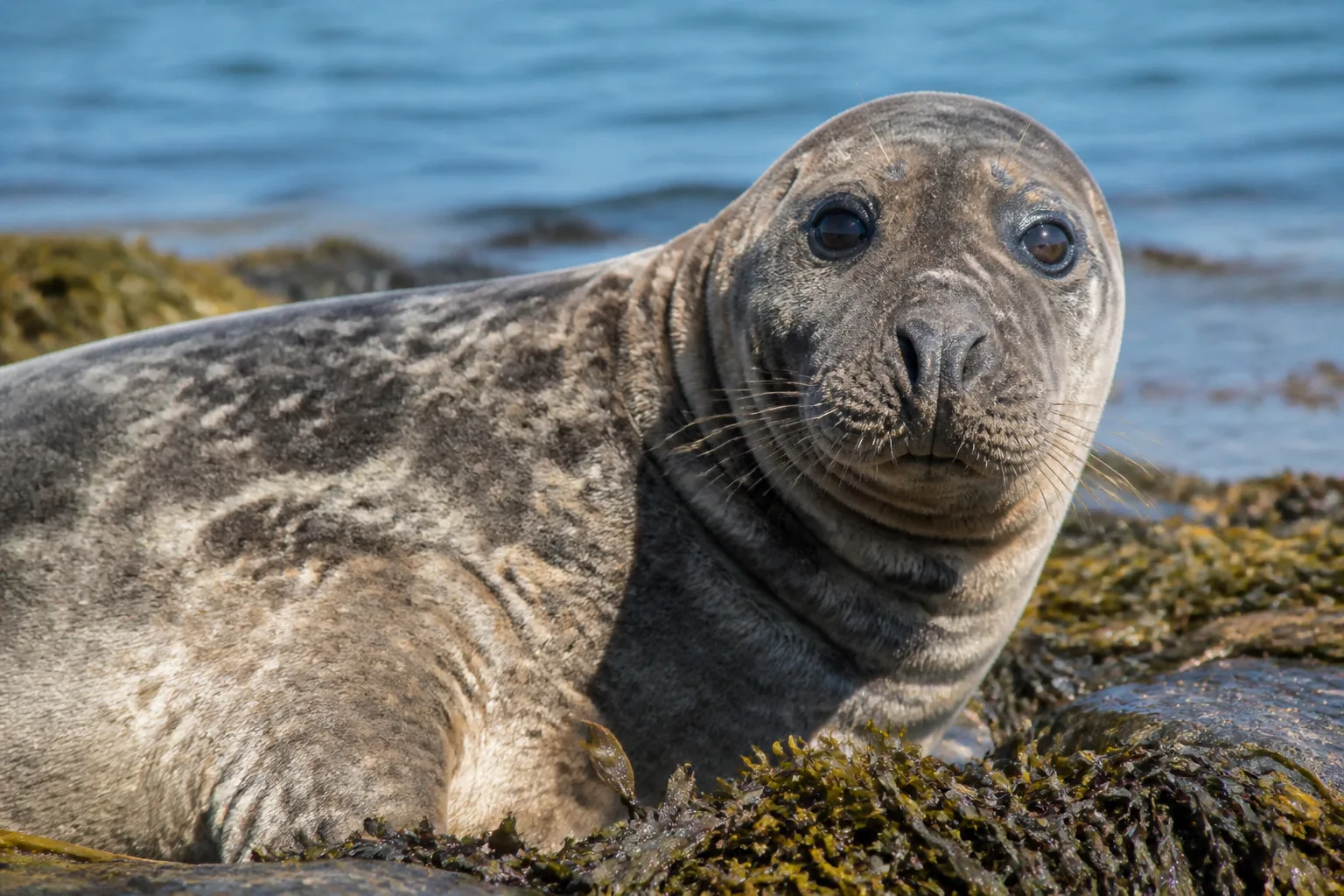
Stronsay is a quietly outstanding wildlife island. Grey and common seals haul out on the rocks around the bays, and the island is regarded as one of the best places in Orkney to watch for migrant birds, with rarities turning up along its shores in spring and autumn.
And then there is the island's strangest claim to fame. In 1808, after a storm, a vast 55-foot carcass washed ashore on Stronsay. Locals and early naturalists declared it a new species of sea serpent — the "Stronsay Beast" — and it caused a genuine scientific sensation before cooler heads identified it as the decayed remains of a basking shark. The legend lives on as one of Orkney's best folklore tales. For the wider picture of what swims off these coasts, see the guide to Orkney's seals and marine life, and for the migrants that make landfall here, where to watch birds across Orkney.
Getting to Stronsay
Stronsay is one of the easier North Isles to reach, with both a daily ferry and a quick flight from Kirkwall, so self-catering flats and hostel beds in Kirkwall make a practical base to travel out from.
- By air (Loganair): roughly 10–15 minutes from Kirkwall Airport on the inter-isles service, operated under an Orkney Islands Council Public Service Obligation contract. Daily except Sundays, in the small Britten-Norman Islander aircraft.
- By sea (Orkney Ferries): daily sailings from Kirkwall, a crossing of roughly 1½ to 2 hours depending on whether the sailing also calls at Eday or Sanday. The ferry takes vehicles — handy if you want to explore the bays by car.
- Fares: both are subsidised and good value, but timetables and prices change — check current fares and sailings directly with Loganair and Orkney Ferries before you travel.
- On the island: there's no public transport; bring a bike or car, or arrange a lift through your accommodation. The flat terrain makes cycling between the bays a pleasure.
With a daily ferry and a short flight, Stronsay works well as a day trip, but it really rewards a night or two — and it slots neatly into a longer week of island-hopping around the North Isles. If you're building a multi-island route, the northernmost stop, North Ronaldsay, makes a memorable finale.
Where to Stay on Stronsay
Stronsay has a small, genuine choice of places to stay and eat — book ahead, especially in summer.
- The Stronsay Hotel: the island's hotel and pub, on the Whitehall waterfront — recently taken into community ownership and refurbished. The social hub for a meal and a pint.
- The Fish Mart: the old herring mart by the pier, now home to a café and a hostel with simple, good-value beds — handy for ferry arrivals.
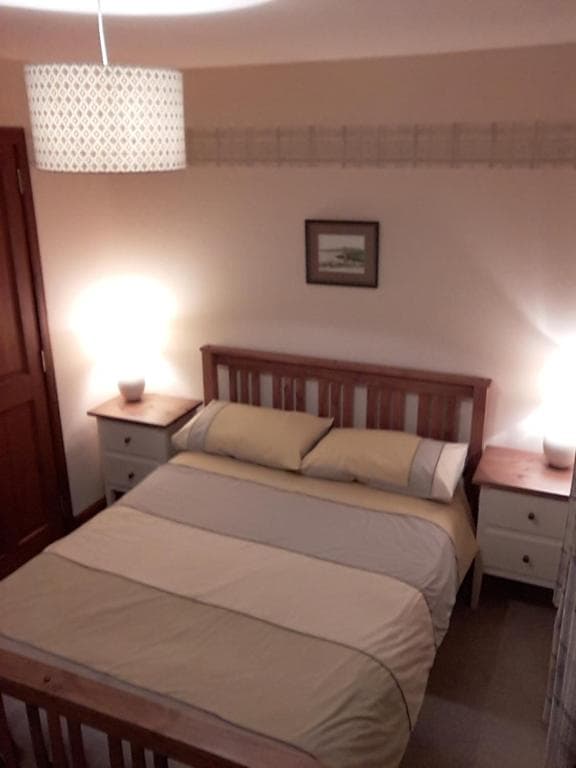
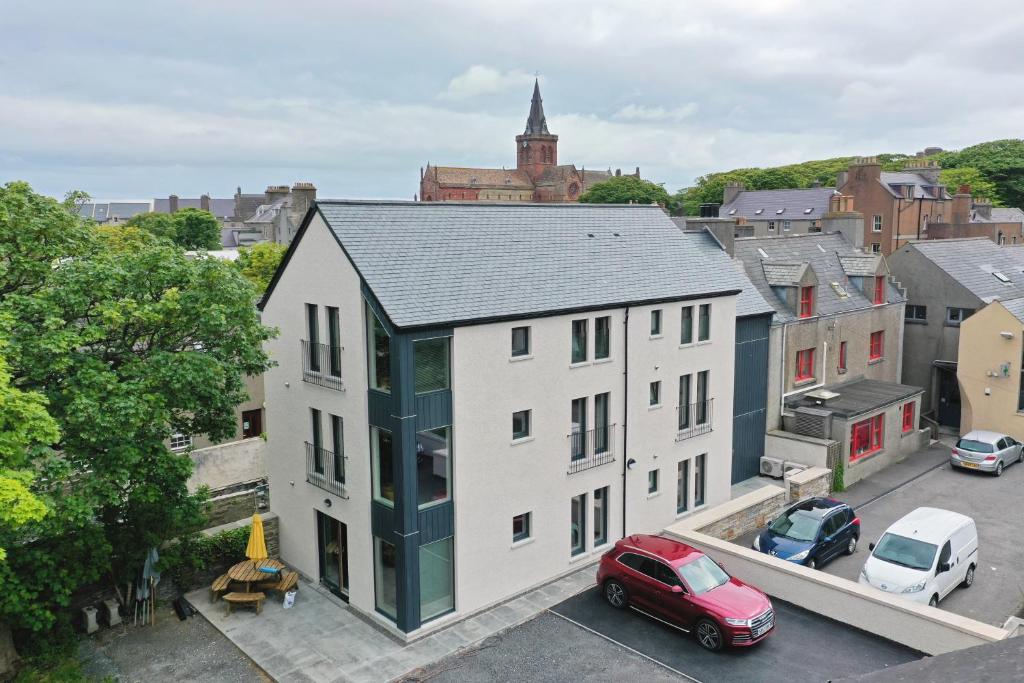
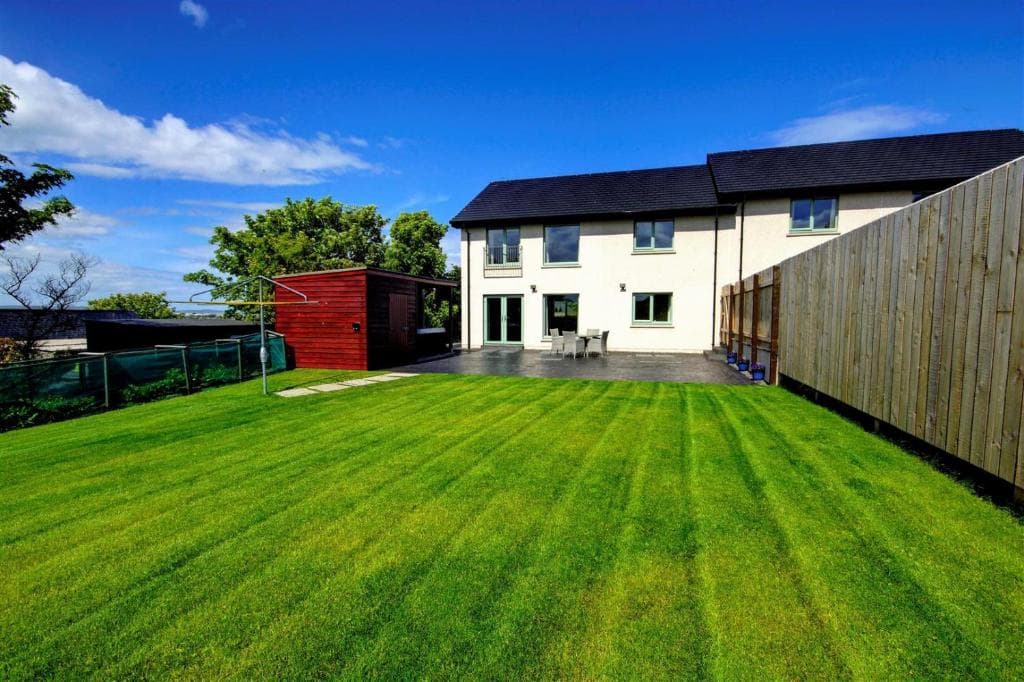
- Self-catering cottages: a handful of crofts and converted houses around the island, ideal for a few quiet, self-sufficient days among the bays.
- Provisions: the island shop covers essentials; there is no supermarket, so bring anything specific you need and plan to self-cater for some meals.
Frequently Asked Questions
Why is Stronsay called the Island of Bays?
Because its coastline is so deeply indented by the sea. Three large bays — St Catherine's Bay, the Bay of Holland and Mill Bay — cut into the island and are separated only by two narrow necks of land, giving Stronsay miles of shore and a string of beaches for its modest size. The nickname is used by the island's own community and tourism sites.
What is the Vat of Kirbister?
The Vat of Kirbister is a natural rock arch on Stronsay's east coast, formed where a sea cave collapsed to leave a span of sandstone over a deep, flooded inlet (a "gloup"). It is widely described as the finest natural arch in Orkney and is reached on a marked clifftop walk — keep well back from the unfenced edge.
What was the Stronsay Beast?
In 1808 a 55-foot carcass washed ashore on Stronsay after a storm. It was briefly hailed as a new species of sea serpent and caused a scientific sensation, before being identified as the decomposed remains of a basking shark. It remains one of Orkney's most famous pieces of folklore.
How do you get to Stronsay?
Two ways: a Loganair flight from Kirkwall Airport (about 10–15 minutes, daily except Sundays) or an Orkney Ferries sailing from Kirkwall (roughly 1½–2 hours, daily, sometimes calling at Eday or Sanday). The ferry carries vehicles. Both are subsidised; check current fares and sailing times directly before you travel.
When is the best time to visit Stronsay?
Late spring to early autumn (May–September) is best — the beaches are at their most inviting, wildflowers and seabirds are out, and the migrant-bird watching peaks in spring and autumn. The full ferry and flight timetable runs in summer; services thin out and Sundays are reduced outside the season.
Is there anywhere to stay on Stronsay?
Yes. The community-owned Stronsay Hotel on the Whitehall waterfront offers rooms and a bar; the Fish Mart by the pier has a café and hostel beds; and there are self-catering cottages around the island. There is no large hotel or supermarket, so book ahead and plan to self-cater for some meals.
Stronsay is the quiet all-rounder of Orkney's North Isles — empty beaches around every headland, the finest sea arch in the islands, an astonishing herring history written into a sleepy harbour, and a monster legend to tell over dinner. Easy to reach and easy to love, it deserves far more than the day most visitors give it.
Hero photo — Rob Burke / Geograph (CC BY-SA 2.0). All location photography on this page is genuine, licensed under Creative Commons; the summary graphic is our own.